



People shop “new” because they want less drama. People shop “rehab” because they want more space, more character, or a better location for the money. Both groups usually say the same thing after closing: “I didn’t realize that would be the hard part.”
In Boston, the choice isn’t new versus old. It’s which problems you want. New construction tends to give you fewer surprises inside the walls, but more complexity in the building and budget. Rehab tends to give you more quirks and hidden issues, but also more upside if the work was done right.
What “new construction” really buys you in Boston
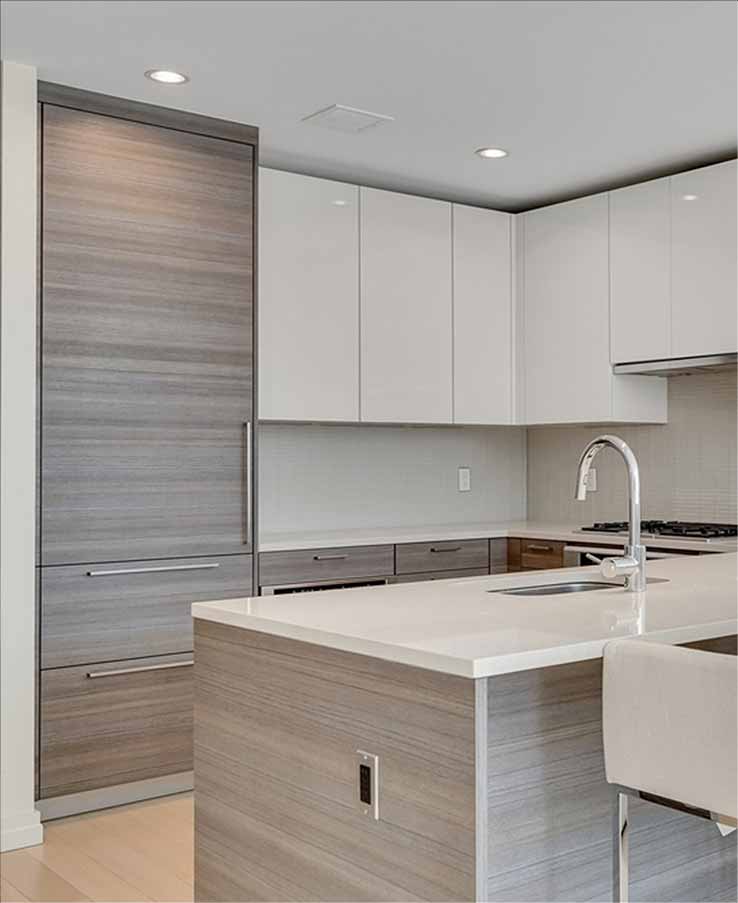
New construction usually buys you systems that behave. Modern electrical. Modern plumbing. Better insulation. Better windows. Real ventilation. You also get layouts built for today’s life, not for 1890.
That matters in Boston because our winters punish drafty buildings. A tight envelope and efficient heat can make daily life feel calmer. New construction also tends to reduce the “owner homework” you inherit. You don’t move in thinking about a roof, a boiler, and a surprise brick repair.
But you’re not buying simplicity. You’re buying managed complexity.
The hidden costs inside shiny buildings
New buildings cost more than the sticker price suggests because the monthly carrying costs can stack.
Condo fees often run higher in elevator buildings with amenities, staff, garages, and complex mechanical systems. Even small “boutique” new builds can carry higher fees if the association needs reserves for modern systems and exterior maintenance.
And “new” does not mean “perfect.” Developers build fast. Subcontractors rotate. Details get missed. Your first year can feel like a punch list marathon. You want to know whether the building handles that process like professionals or like people who vanish when you call.
Massachusetts courts also recognize an implied warranty of habitability in the sale of newly constructed residences by builder-sellers, but it’s not a promise of perfection, and it doesn’t cover every minor issue you can spot with a flashlight and a grudge.
What a Boston rehab can do that new construction can’t
A rehab often buys you what Boston buyers actually chase: location and charm.
You get mature streets, better proportions, higher ceilings, and layouts that feel like real rooms. You often get more square footage per dollar than a new tower condo. You may get outdoor space that feels usable, not symbolic.
And if the rehab was done well, you can land in a sweet spot. You get historic bones with modern systems. That’s the dream combo in Boston.
The problem is that “rehab” can mean two very different things. It can mean a thoughtful renovation with permits, new systems, and real water management. Or it can mean paint, staging, and a prayer.

The rehab risks that drain budgets
Most rehab pain comes from the stuff you can’t see during a sunny Saturday open house.
Water tops the list. Basements in Boston tell the truth. If the basement smells like moisture and excuses, listen. Water also connects to mold, damaged framing, and long-term structural wear.
Then you have old systems and old choices. Wiring upgrades that didn’t go far enough. Plumbing that mixes eras. Heating that “works” but costs a fortune. Windows that look fine but leak air.
And in pre-1978 homes, renovations can create lead dust risk if contractors don’t follow the right process. EPA requires lead-safe certified firms for many renovation, repair, and painting projects that disturb lead-based paint in pre-1978 housing.
Permits and paper trails decide how “real” the work is
In Boston, paperwork matters because it’s how you separate real work from cosmetic work.
If a rehab involved structural changes, major alterations, or a change in use, it often requires a Long-Form Permit through Boston’s Inspectional Services Department.
When a seller can show permits, inspections, and sign-offs, you’re not guaranteed perfection, but you get evidence. When everything is “we did it ourselves” and nothing has documentation, you’re taking on more risk. That risk can show up later during insurance claims, resale, or when you try to renovate again and discover the city disagrees with what exists.
How to tour new construction like you don’t want to get played
When you tour new construction, don’t only tour the unit. Tour the building’s decision-making.
You want to understand who built it, how the building is managed, and whether the association budget matches the reality of the systems. You also want to understand what is still under developer control, what projects are planned, and whether owners have already started arguing about money. A “brand new” building can still be underfunded if the early budget aimed to look attractive instead of being accurate.
You should also pay attention to construction type and noise. Some new buildings feel silent. Others feel like you live inside a drum. You can’t fix that with a rug.
How to tour a rehab like you’ve seen a Boston basement before
When you tour a rehab, assume the pretty parts are the easiest part.
Look for water history and water control. Ask what was replaced versus what was “left as is.” Ask about electrical service and panel work. Ask about heat type and operating costs. Ask what’s behind the walls, and ask for permits and receipts for major work.
Then do the least romantic thing you’ll do all week. Read the disclosures and ask direct questions. A rehab can be a great buy, but only if the work actually happened in the ways that matter.
Conclusion
New construction usually fits buyers who want predictability, low friction living, and are comfortable paying for it every month through condo fees and building operations. Rehab usually fits buyers who want more space, more character, and more control over value, and who can handle the possibility of real issues and the need to manage them. If you want the cleanest rule, use this: buy the risk you can manage. If you hate surprise projects, don’t buy a rehab because you love the backsplash. If you hate high monthly fees and rules, don’t buy a new amenity condo because you love the lobby. Boston will test you either way. The goal is to pick the test you can pass without resenting your home.

Additional Articles & Posts

Buying a home in Greater Boston? Learn how to buy the right neighborhood by evaluating commute, lifestyle, amenities, and long-term value before making an offer.


Preparing to sell your home in Boston? Learn the expert tips that can help your home stand out, attract more buyers, and maximize your sale price in today's competitive market.
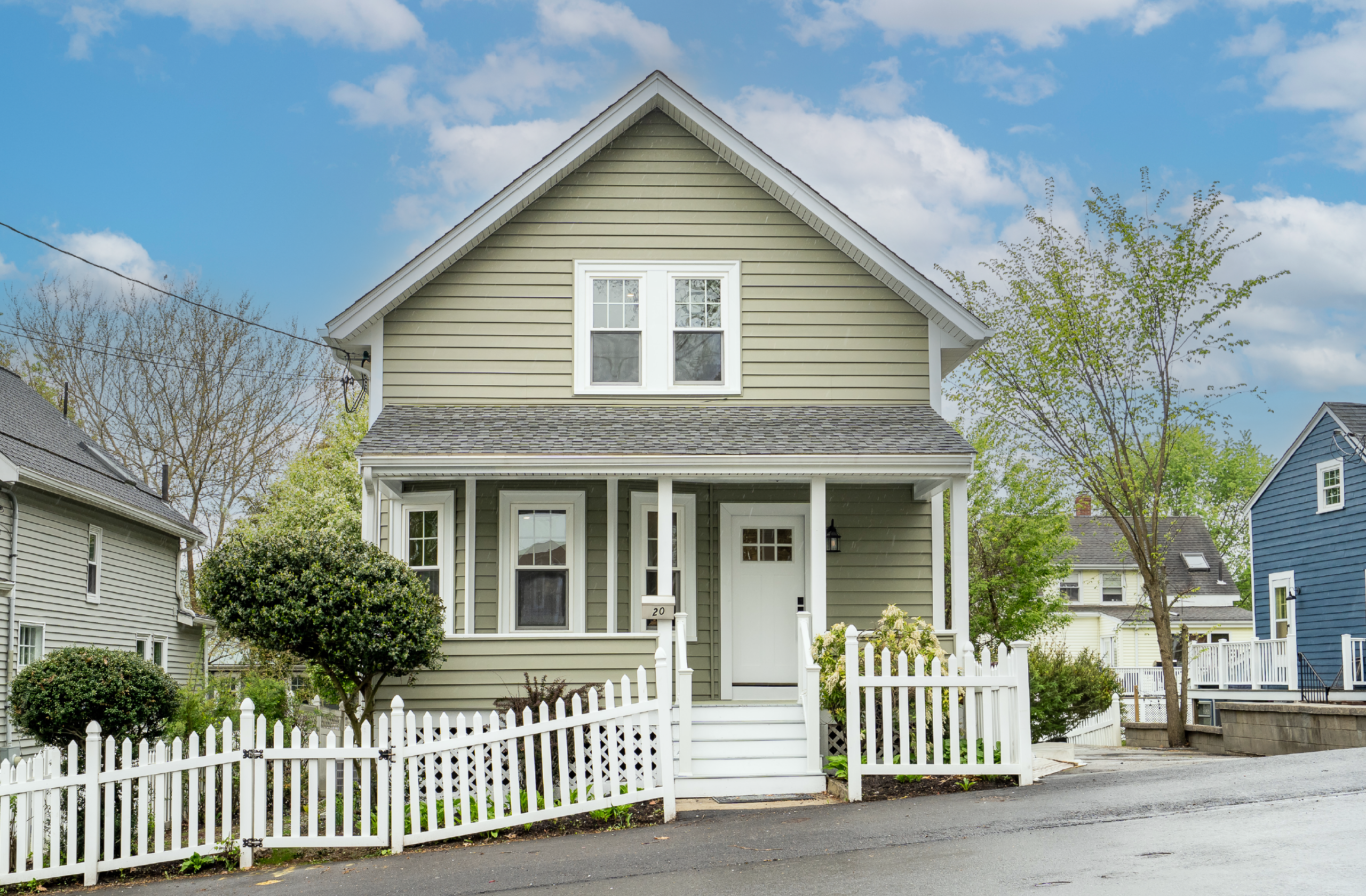

Explore this weekend's Boston area open houses featuring homes in Dedham, Newton Highlands, Arlington, and Back Bay. Tour four exceptional properties with Red Tree Real Estate.
See what your home is worth
Enter your home address to receive a free market analysis and
home valuation from us.
Need help? Call our office at 617.944.5311