UMass Boston Housing2026-03-05T08:26:01-05:00

UMass Boston Housing

Welcome to the UMass Boston Housing Hub, where you can plan your off-campus move with neighborhood guides, leasing timelines, checklists, and local insight built for Dorchester and the South Shore.

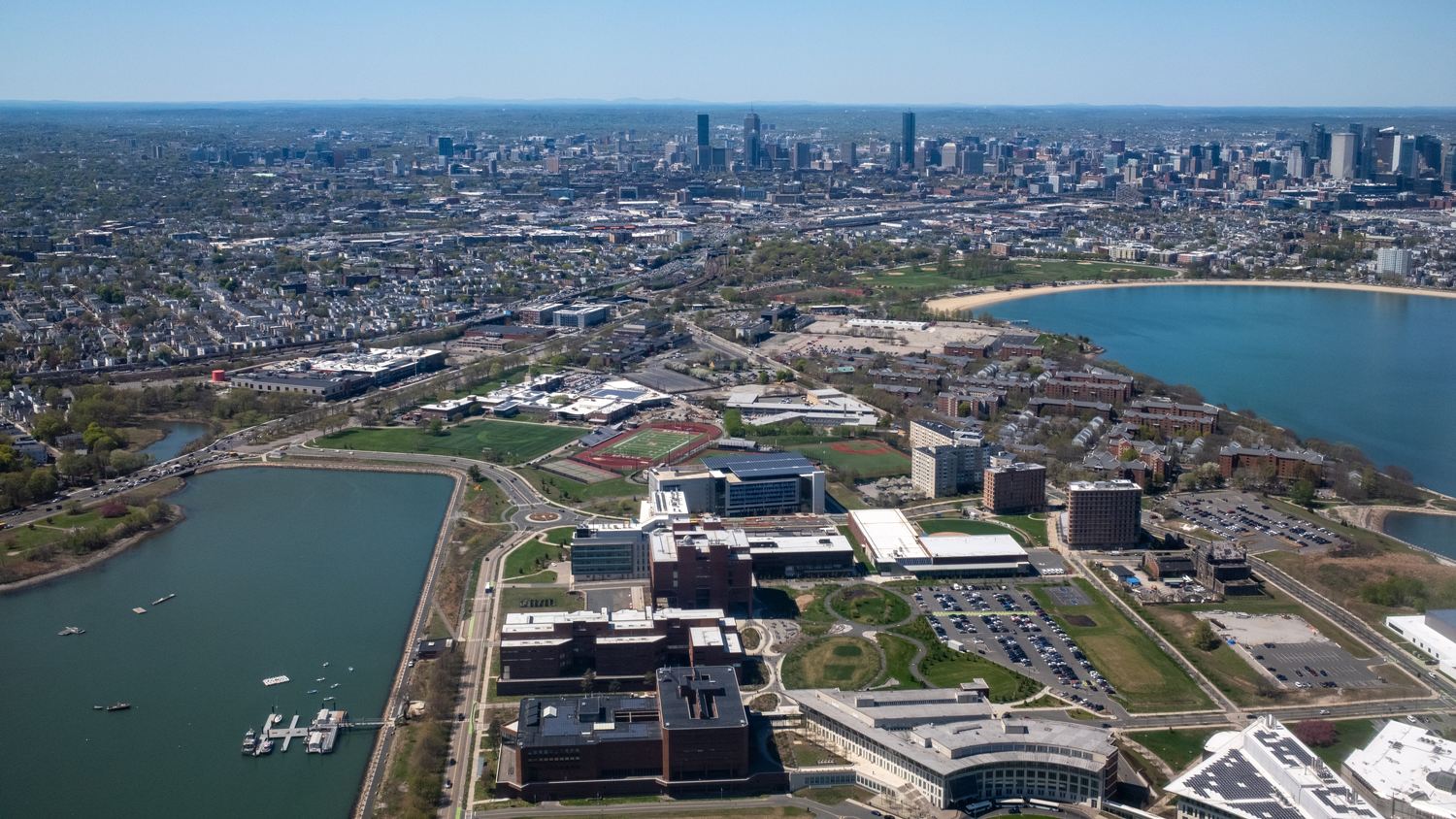
UMass Boston sits on Columbia Point, which gives it a different rhythm than most Boston schools. You get a campus that feels slightly removed from the Back Bay and Fenway churn, but you’re still plugged into the city through the Red Line. For a lot of students, that’s the sweet spot: easier daily living, quick access when you want it, and less pressure to pay “center of everything” rents.

Housing choices here tend to split into two paths. One group stays close, usually in Dorchester, because it keeps commute time down and makes campus days smoother. The other group follows the Red Line south toward Quincy for more space and, in many cases, better value. Both approaches can work, as long as you decide early what you’re optimizing for: walkability, transit simplicity, budget, or space.

Transit planning is straightforward. Most students use the MBTA Red Line to JFK/UMass, then take the free shuttle to campus. That makes “live near a Red Line stop” one of the cleanest strategies when you’re narrowing neighborhoods.

Neighborhoods Near UMass Boston

JFK/UMass and Columbia Point

This is the most commute-friendly zone, especially if you want to minimize transfers and keep campus access simple. It’s ideal for students who plan to be on campus often and don’t want housing to complicate their schedule.

Savin Hill

Savin Hill is a classic UMass Boston pick because it blends neighborhood feel with strong Red Line access. You get solid food options, a mix of apartments, and a commute that doesn’t feel like a second job.

Fields Corner

Fields Corner often gives you more space for the money than some nearby pockets, plus easy access to Dorchester Avenue’s daily essentials. It’s a good option if you want Dorchester convenience and a more grounded, local feel.

Ashmont

Ashmont is a good match if you want a more residential setup with great Red Line connectivity. It can feel calmer than the closer-in Dorchester pockets, while still keeping downtown access realistic.

South Boston (Andrew Square side)

South Boston can work well if you want quick access into downtown and a more “Boston core” vibe. The trade-off is pricing and competition, but if you like being close to the city’s center of gravity, it’s a strong option.

Quincy (North Quincy / Quincy Center)

Quincy is the value play for a lot of students, especially if you want newer buildings, more space, or a clearer rent-to-amenities trade. If you stay close to the Red Line, the commute remains predictable.

Frequently Asked Student Housing Questions

Use this guide to understand the student housing process, from required documents and guarantors to utilities, subletting rules, and what happens after you’re approved.

How does Red Tree help students and parents through the process?2026-02-05T07:07:11-05:00

We help you build a plan, narrow neighborhoods, understand the lease process, and move quickly with organized applications when the right option appears. The goal is to reduce uncertainty, keep communication clear, and help you avoid costly mistakes that first time renters and student groups often run into.

What happens after my application is accepted?2026-02-05T07:07:24-05:00

Once accepted, you will typically receive lease terms, a list of move in costs, and instructions for deposits and signatures. This is the moment to confirm everything in writing, including what is included in rent, the start date, and any special conditions. After signing, you will coordinate move in logistics and set up utilities if needed.

Can I sublet my apartment in the summer or during a semester away?2026-02-05T07:07:30-05:00

Subletting rules vary by lease and landlord, and assumptions here can create big problems later. If you think you might sublet, confirm the policy in writing before you sign. Some landlords require written approval, and some leases restrict subletting entirely.

What is the typical lease length for student rentals?2026-02-05T07:07:38-05:00

Many Boston area leases run twelve months, but options vary. Some student renters need a September to August term, while others look for shorter arrangements. Lease length is an important filter because it impacts price, availability, and whether subletting becomes necessary.

Can a parent sign the lease instead of the student?2026-02-05T07:07:45-05:00

Sometimes, but it depends on the landlord and the structure of the lease. In many situations, the student signs and a parent guarantees the lease rather than replacing the tenant. Either way, the lease should clearly state who is responsible for rent, damages, and policy compliance.

Can international students rent in Greater Boston?2026-02-05T07:07:53-05:00

Yes, but requirements can differ by landlord. Many international students use a US based guarantor, while some landlords accept alternative documentation such as proof of funds or additional deposits where allowed. The best approach is to be upfront about your situation so you can target listings that match the documentation you can provide.

Are furnished apartments available?2026-02-05T07:07:59-05:00

Yes, but availability varies by neighborhood and building type. Furnished units can be helpful for international students or shorter stays, but they may come at a premium and may have stricter rules. If furnished is important, treat it as a primary filter early in the search.

What should parents look for before signing a lease?2026-02-05T07:08:04-05:00

Parents should focus on lease clarity and risk, not just the apartment photos. Review the total move in costs, the term dates, rules on subletting, renewal language, maintenance responsibilities, and any fees. It is also smart to ask who manages the building, how repairs are handled, and what the expectations are for move in condition and deposit returns.

What should I ask during a tour?2026-02-05T07:08:10-05:00

Ask questions that reveal how the apartment will function day to day. Confirm the heat type, laundry access, building entry setup, maintenance response process, and what appliances are included. If you are touring with roommates, also look at bedroom sizes, storage, and common area layout so you do not discover problems after you move in.

Are utilities typically included in rent?2026-02-05T07:08:18-05:00

Sometimes, but not always. You should confirm what is included, what is separate, and what type of heat the apartment uses. Utilities can change the real monthly cost more than people expect, especially in winter, so it is worth getting clarity upfront.

How do roommate leases work?2026-02-05T07:08:26-05:00

In many cases, all roommates sign one lease and share responsibility for the full rent and the condition of the apartment. That means if one roommate does not pay, the landlord can still hold the other roommates responsible. Before signing, roommates should agree on rent payment timing, utilities, guests, cleaning expectations, and what happens if someone wants to move out early.

What documents should I have ready to apply?2026-02-05T07:08:36-05:00

Have a government issued ID for each tenant, basic income or employment information, and guarantor information if applicable. Many landlords also want contact details, rental history if you have it, and a clear way to verify income. If you have these ready, you can submit a complete application quickly, which often matters as much as the price.

Do I need a guarantor, and what does that mean?2026-02-05T07:08:42-05:00

Many student renters use a guarantor, especially when the student does not have enough income history to qualify on their own. A guarantor is typically a parent or guardian who agrees to take financial responsibility for the lease if rent is not paid. Requirements vary by landlord, so it is smart to confirm the guarantor documents needed before you submit an application.

What up front costs should I expect when renting in Boston?2026-02-05T07:08:49-05:00

Up front costs vary by listing and landlord, but many Boston area rentals require first month’s rent at signing and may also require a security deposit. Some listings also involve a broker fee. Always ask for a full written breakdown of move in costs before you apply so you understand exactly what is due and when.

How fast do I need to decide once I find a place I like?2026-02-05T07:08:57-05:00

Often, faster than you want. In competitive pockets, a strong apartment can receive multiple applications the same day. The best way to protect yourself is to tour quickly, have your documents ready, and know your non negotiables in advance. Speed matters, but so does clarity, so you are not rushing into the wrong lease.

When should I start looking for off campus housing?2026-02-05T07:09:03-05:00

In Greater Boston, the rental market rewards planning because good options move quickly and lease cycles can be seasonal. Start by figuring out your move in date, budget range, and roommate plan, then begin monitoring listings early enough to understand what is realistic. Even if you are not ready to sign, seeing the market for a few weeks helps you avoid panic decisions and makes you faster when the right apartment appears.

Request Student Housing Options

Whether you’re a student or a parent coordinating the search, send your details below and a Red Tree team member will follow up after reviewing your needs and timeline.

This site is operated by Red Tree Real Estate, an independent real estate brokerage. References to universities are for informational purposes only. Red Tree Real Estate is not affiliated with or endorsed by any university, and this page is not an official university housing resource.