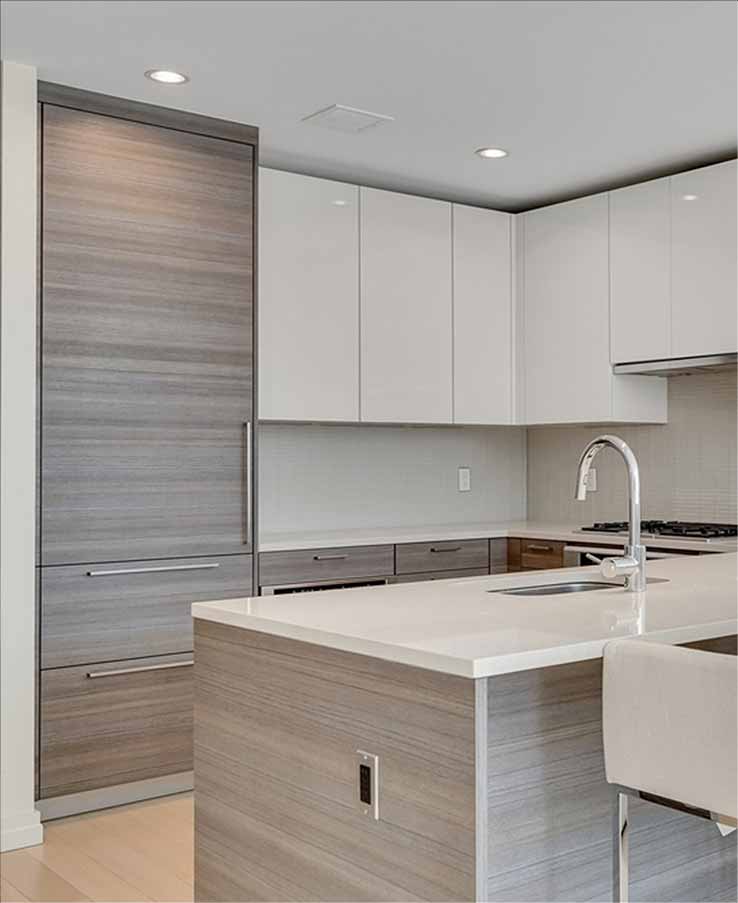


In Boston, almost every block has the same story hiding in plain sight. Someone has a basement that could house a parent, a grown kid, a nanny, or a long-term tenant who helps cover the mortgage. The space exists. The need exists. The money math works. And then the city part shows up.
The trap is simple. People confuse “I can build it” with “I can legally live in it.” Boston has seen every version of the not-quite-unit: the “finished basement,” the “in-law,” the “my cousin stays down there sometimes,” and the classic “it has a hot plate, not a stove, so it doesn’t count.” That last one is a lie people tell themselves right before they run into insurance issues, appraisal issues, permit issues, or a forced undo.
If you want an ADU to actually help you long-term, you have to build a legal unit, not a secret unit. That means zoning, building code, fire rules, and permits all have to line up.
The rule that surprises almost everyone
Massachusetts passed a statewide ADU change in the Affordable Homes Act that allows certain ADUs “by right” in single-family zoning districts across the state, including limits on owner-occupancy requirements and other baseline standards.
Here’s the twist: Boston says those Chapter 40A zoning changes do not apply to Boston because Boston’s zoning authority comes from a different law (Chapter 556 of the Acts of 1956). Boston makes the point directly in its ADU FAQ.
So if you’ve been thinking, “State law fixed this, I can just do it now,” Boston is here to lovingly ruin that plan.
The good news is Boston does allow some ADUs today, and the City has a real process and support tools.
The bad news is you still have to play Boston’s version of the game.
What Boston means by “ADU”
Boston uses “ADU” as a practical bucket for a small, independent unit added to a 1–3 family property. The City groups them into three types: internal (inside the existing building envelope), attached (an addition), and detached (a separate structure like a backyard cottage or converted garage).
That category matters because Boston’s zoning treatment changes by type.
What you can do right now without a zoning fight
If you want the cleanest path, aim for an internal ADU. Boston says current zoning allows owner-occupied 1-, 2-, and 3-family homes citywide to add one internal ADU, as long as you stay within the existing building footprint and do not add new square footage.
This is the “finish the basement the right way” version, except it is not just finishes. To become a dwelling unit, it needs the basics of a real unit: safe egress, code-compliant ceiling heights where required, legal bedrooms, proper cooking setup, ventilation, fire separation, and inspections. The details depend on the building and the design, but the concept is consistent: it has to function as a legal home, not a clever workaround.
What Boston will block unless you go through ZBA
Boston is blunt about this: its Zoning Code does not currently include regulations that allow attached or detached ADUs citywide. If you want an addition-based ADU or a backyard ADU, you will usually need zoning relief through the Zoning Board of Appeal as part of the permitting process.
If you’ve ever watched a neighbor go to ZBA for a dormer or a deck, you know what that means. You’re building a case, not just a unit.
The one big exception: Mattapan
Boston carved out a meaningful exception in Mattapan. The City says Mattapan’s residential zoning was updated in January 2024 to allow all types of ADUs, including external additions and detached ADUs, without special approval, but only within specific mapped areas tied to the Greater Mattapan Neighborhood Zoning District and the PLAN: Mattapan study area.
If you own in Mattapan and your parcel sits inside the right boundaries, your ADU options can open up a lot. If you own outside that area, do not assume you get the same rules.
The eligibility catch that kills a lot of “easy” ideas
Boston sets baseline requirements that knock out many properties early.
You must be an owner-occupant of a 1-, 2-, or 3-family home in Boston. The City also says condominiums and LLCs are ineligible for ADUs under this program.
That matters because Boston has a huge number of condo-converted triple deckers. If you own a condo unit in a three-unit condo association, you might have space, but Boston’s program rules may stop you before you start.

Zoning is only half the fight
Even when zoning allows the use, overlays can add extra steps. Boston’s own ADU materials call out design review overlays and historic districts as common triggers for extra review, especially when you change the exterior.
If your property sits in a Boston historic district, district commissions can review and approve or deny exterior changes.
If you’re in an NDOD area, exterior alterations can trigger notification and design review depending on the local overlay language.
And if your building is within 100 feet of a park or parkway, Boston notes you may need Parks and Recreation Commission approval before permits.
This is why “just put a door there” becomes a six-month saga.
Flood zones change what “buildable” means
Boston also flags flood risk early. If your home is in the FEMA flood zone, the City tells homeowners to plan to build the ADU above the Base Flood Elevation.
In Boston, that shows up fast in places like East Boston, South Boston, Dorchester near the water, and parts of Charlestown. Flood compliance can change layouts, stairs, entrances, and cost.
The code side: where budgets go to get real
Zoning tells you whether a unit is allowed. Building and fire codes tell you what the unit must include to be safe.
Boston’s ADU guidebook points out a key cost driver: depending on your building type and ADU configuration, your project may fall under the International Residential Code or the International Building Code, and the IBC route often brings more complex and expensive requirements.
Here’s the practical Boston translation: when you add a unit, you can change how the whole building gets classified. That can trigger upgrades you did not plan for, like sprinkler requirements, additional fire separation, or different egress requirements. Boston’s materials specifically warn that certain codes can mandate high-cost systems like sprinkler systems or additional exit routes.
This is why the “cheap basement apartment” idea sometimes dies on the page before it dies in the bank account.
The permit path: how you make it legal on paper
Boston says you’ll need permits from the Inspectional Services Department, and some projects need ZBA review before ISD can issue a building permit.
For ADUs, Boston’s permitting page emphasizes a long-form building permit and recommends that a licensed contractor apply on your behalf.
The City notes you may need supporting documents with the long-form permit, and that the application process requires project documentation like plans and contractor information.
Boston also gives a real-world timing expectation. In its FAQ, the City suggests a rough project timeline with feasibility and design, permitting, and then construction, with construction often taking six to twelve months depending on scope.
What “the right way” looks like in real life
If you want to do this without turning your home into a cautionary tale, the “right way” is less about fancy design and more about sequence.
You start by confirming you’re eligible and that your ADU type matches what Boston allows on your parcel.
You design around code from day one, not after you fall in love with a layout that can’t pass egress or fire separation.
You decide early whether you’re staying inside the footprint (the smoother path) or pushing into an addition or detached unit (the ZBA-heavy path).
You check overlays like historic district status and NDOD areas before you assume exterior changes will be simple.
And if you’re in a flood zone, you design for elevation requirements instead of trying to “value engineer” your way around physics.
That sequence saves money because it saves reversals. Reversals are where Boston projects bleed.
Costs, financing, and the part nobody wants to admit
Boston puts numbers out there, and they’re useful as a sanity check. The City’s FAQ gives a rough benchmark that internal ADUs often land in the $75,000–$100,000 range, while detached ADUs can run $250,000–$350,000.
The City’s planning page also notes ADU project costs can vary widely and gives a rough benchmark that projects can start around $275 per square foot.
Boston also points homeowners to the Boston Home Center’s ADU Financial Assistance Program for income-eligible owner-occupants of 1–3 unit homes, with support that can help cover design, permitting, and build costs through program structures that include grants and loans.
And yes, you should expect taxes to move. Boston states that adding an ADU will impact property taxes after a new assessment.
The finish line is not “it’s done,” it’s “it’s legal to occupy”
A legal unit ends with paperwork, not paint.
Boston’s move-in guidance says you must receive a Certificate of Occupancy from ISD before anyone can occupy the ADU.
Boston also says you must register your ADU even if you’re not renting it out, including situations where relatives live there and you don’t collect rent.
This is the part people skip, and it’s a mistake. The certificate and registration are what separate “legal unit” from “nice basement.”
Conclusion

Additional Articles & Posts
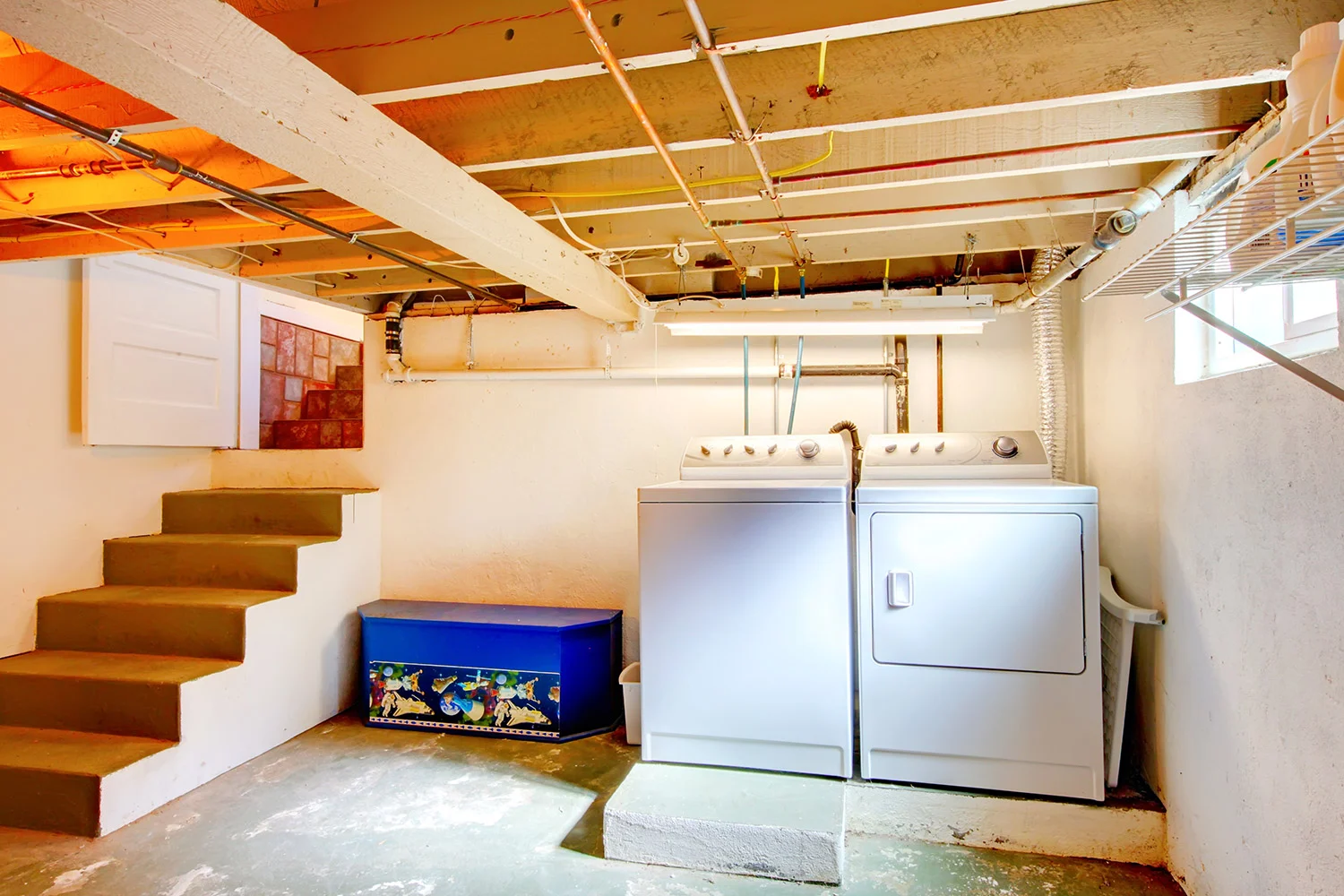

A reality check on Boston basements. Learn what “dry enough” actually means, how to spot water and mold risk on a showing, and when a basement problem becomes a budget problem.

Red Tree Real Estate has launched a new website designed to make it easier to search Boston homes and apartments, explore neighborhoods, and access practical local resources for renters, buyers, sellers, and investors.

Understand Logan flight paths and neighborhood noise before you buy. Learn why routes shift, what “DNL 65” really means, how to check real flight tracks, and what to ask about soundproofing.
See what your home is worth
Enter your home address to receive a free market analysis and
home valuation from us.
Need help? Call our office at 617.944.5311