

In Boston, your budget does not buy one thing. It buys a trade. You trade space for location. You trade control for convenience. You trade a predictable monthly cost for surprise repairs, or you trade repairs for HOA fees and rules.
Most buyers start with the same question. “How much home can I get?” The better question is, “What kind of life does this home force me to live?” A brownstone, a condo, and a triple decker can all cost the same. They will not feel the same. They will not carry the same risks. They will not ask the same of you after you move in.
This guide breaks it down in plain English, from the point of view of someone who has watched these building types behave through real winters, real inspections, and real condo meetings.
Start with the number you pay every month
People compare purchase prices and forget the rest of the bill. In Boston, the monthly picture decides whether a home feels easy or stressful.
Your monthly cost usually includes your mortgage, property taxes, homeowners insurance, and utilities. Then each building type adds its own line items.
A condo adds HOA fees and the risk of a special assessment. A brownstone may add higher maintenance, older systems, and sometimes shared walls and shared decisions. A triple decker can add landlord style upkeep, shared systems in older stock, and a bigger repair budget if you own the whole building.
If two homes cost the same to buy, the one with the most predictable monthly cost often feels cheaper over time. That is why people who can afford the same purchase price still choose different building types. They are buying a cost structure, not only a space.
Brownstones: charm, control, and chores
When most people say “brownstone” in Boston, they mean a rowhouse style building with historic character, tall windows, and a layout that feels like a city novel. Sometimes it is a single family. Often it is a condo inside a brownstone. That detail matters a lot, because it changes what you control.
A true single family brownstone gives you control. You decide when to renovate. You decide how to run the building. You can change systems and finishes without asking a board for permission. You also own the problems. In Boston, older buildings bring older plumbing, older wiring, older masonry, and older heating. They can be solid. They can also be expensive when something fails.
A brownstone condo gives you character with shared responsibility. You may share a roof, a foundation, a stairwell, and sometimes heating or hot water. You also share decision making. Small associations can be great when owners communicate and plan. They can be rough when nobody wants to pay for reserves until the roof leaks.
What your money buys in a brownstone is often a feeling. You get ceiling height, proportions, detail, and a street that people recognize. You also get stairs. Lots of stairs. If you love the look but hate stairs, you will end up paying extra for a parlor level unit or an elevator building anyway.
Brownstones tend to reward owners who value location and character, and who have the patience to maintain older assets. If you want a home that feels finished, quiet, and established, brownstone life can fit. If you want set it and forget it, it often does not.
Condos: convenience, predictability, and rules
A condo is a structure and a legal setup. In Boston you will see everything from a two unit condo in a converted townhouse to a glass tower with a doorman. People talk about condos like one category. They are not one category.
A well run condo building buys you predictable maintenance. The roof is not your solo problem. The exterior is not your weekend project. Snow removal, trash, and common repairs sit in the HOA budget. Many newer buildings add elevators, packages, garages, gyms, and common terraces. Those are real quality of life upgrades in a city where winter lasts.
The trade is cost and control. HOA fees can feel like rent you never escape. Rules can limit pets, rentals, renovations, and even move in schedules. If the building underfunds reserves, you can face a special assessment at the worst time. If the building overfunds and runs clean, you get stability and a smoother ownership ride.
What your money buys in a condo is ease. You buy time back. You also buy into other people’s decisions. The condo docs matter because they show whether the building treats maintenance like a plan or like an emergency.
If you want fewer chores and a clearer monthly picture, condos usually win. If you hate rules or you want to renovate on your own timeline, condos can feel tight.
Triple deckers: space, flexibility, and real upkeep
Triple deckers are Boston’s working building type. They show up across Dorchester, Jamaica Plain, East Boston, Roslindale, Allston, Brighton, and beyond. Many are three unit wood frame buildings with similar floor plates stacked on top of each other. Some are owned as one building. Many are condo conversions.
A whole triple decker can buy you flexibility that other types cannot. You can live in one unit and rent others. You can house a family across floors. You can create a home office unit or an in law setup. That flexibility can turn a tough payment into a manageable one, because rent offsets cost.
The trade is that you own a small machine with many moving parts. Older triple deckers can have basements that manage water poorly, old electrical work, mixed heating systems, and layers of repairs done across decades. You need a reserve fund and a mindset that treats maintenance as normal, not as a surprise.
A triple decker condo can feel like a sweet spot. You may get more square footage, a porch, and a neighborhood street feel, often with lower fees than a high rise. You also inherit the conversion quality. Some conversions are clean. Some hide problems behind fresh paint. Condo docs and inspection quality matter a lot here.
What your money buys in a triple decker is often space and options. You get more rooms, more light, and sometimes a yard. You also take on real upkeep and, if you rent units, real tenant management.
Space feels different in each type
Square footage is not the whole story. Layout makes space feel bigger or smaller.
Brownstones often have long, narrow rooms and vertical layouts. They feel elegant. They can also feel chopped if past owners divided rooms for rentals. Stairs split your living across levels, which can feel charming or annoying depending on your life.
Condos in newer buildings often use open plans and large windows. They can feel bright. They can also feel smaller if storage is tight and bedrooms are compact. Amenity space can make up for it, but only if you use it.
Triple deckers often have full floor units with clear separation between living and sleeping spaces. Many have porches. Many have generous dining rooms that can become offices. They can feel like a real home inside the city.
Your money buys not only size but how you live inside the size. If you work from home, a triple decker layout often wins. If you commute and want low friction, a condo often wins. If you want classic entertaining space, brownstones have a strong pull.

Noise, privacy, and shared walls
Boston is dense. Noise matters.
A brownstone can be quiet if it has thick masonry party walls and good windows. It can also transmit sound if floors are old and not insulated. A single family rowhouse gives you control, but you still share walls.
A high rise condo can be very quiet if it uses concrete between floors. It can also be loud if it uses lighter construction and if neighbors treat the hallway like a living room. Elevators and lobbies bring shared traffic.
Triple deckers can carry footstep noise because they are wood frame. Soundproofing varies. Top floor units tend to feel best for noise, but you trade stairs.
If quiet is your top priority, do not assume any type wins by default. You need to judge the specific building. Ask how it feels at night. Visit during peak hours. Listen, and trust what you hear.
Parking and winter reality
Parking is a lifestyle issue in Boston, not a small detail.
Many brownstone areas have tight street parking and strict rules. Some have garages, but they cost. If parking drives your happiness, a brownstone with no parking may feel like a trap.
Many newer condo buildings offer garage parking. That can be a game changer in winter. It also adds cost, and some buildings sell spaces separately.
Many triple deckers sit on streets where parking is more workable, especially outside the core. Some include driveways. That can swing the decision for families and commuters.
If you need a car, price parking like part of the home. If you do not need a car, the best money you can save in Boston is the money you do not spend owning one.
Maintenance and the real “surprise bill” risk
This is where building type truly matters.
Brownstones often hide expensive systems work. Think roofs, masonry, drainage, steam heat, and old plumbing stacks. Maintenance is not constant, but when it hits, it hits hard.
Condos shift big repairs to the association. That sounds great until reserves run low and assessments show up. A condo with strong reserves and recent capital work can be a low stress asset. A condo with weak reserves can create a sudden bill that feels like a second closing.
Triple deckers ask for a steady reserve. You will replace porches, roofs, exterior paint, and common systems over time. If you own the whole building, you control the timeline. If you own a condo in a triple decker, you share the timeline and the money decisions.
If you want the lowest risk of surprise bills, focus less on type and more on planning. Strong reserves, clear maintenance history, and honest inspections beat vibes every time.
Resale and long term demand
Boston buyers chase three things: location, livability, and monthly cost.
Brownstones hold demand because they are scarce, and because certain streets stay iconic. They can also be harder to sell if layouts are odd or if major systems lag.
Condos hold demand when buildings run well and when fees match value. They can struggle when fees spike, when amenities age poorly, or when assessments land.
Triple deckers hold demand because they offer space and flexibility. They can also win on value per square foot. They can struggle when conversions are sloppy or when systems are outdated.
In general, the strongest resale comes from a home that feels easy to live in and easy to finance. Buyers want predictable costs and fewer unknowns. That is true at every price point.
Which one fits you
If you want character, classic streets, and you enjoy improving a home over time, a brownstone can be the right buy. It tends to reward buyers who want an established neighborhood and who accept that older buildings ask for care.
If you want convenience, a clearer monthly picture, and less time spent managing repairs, a condo can be the right buy. It tends to reward buyers who choose a building with strong reserves, clean governance, and fees that match the services.
If you want space, flexibility, and the option to offset cost with income, a triple decker can be the right buy. It tends to reward buyers who keep reserves, respect the building’s age, and treat maintenance as part of the plan.
A simple way to decide in one weekend
Pick three addresses in three types at the same budget. Tour them back to back. Then do one thing people skip. Write down what you will do on a Tuesday in February.
Where will you park after work. How many stairs will you climb with groceries. Where will the dog go at 10 p.m. Where will packages land. How will you store bikes. Who will shovel snow. Who will fix a leak. Who will decide on the roof.
The right answer will feel obvious when you picture daily life instead of a Sunday open house.
Conclusion
Final take
In Boston, “what your money buys” is not only granite counters or a skyline view. It is a set of constraints and freedoms you live with for years. Brownstones buy character and control, plus real upkeep. Condos buy convenience and predictability, plus fees and rules. Triple deckers buy space and flexibility, plus maintenance and, sometimes, landlord responsibility. Choose the type that matches your life, not the one that looks best on a listing page. If you do that, you will buy the right home even in a city that loves to test people.

Additional Articles & Posts
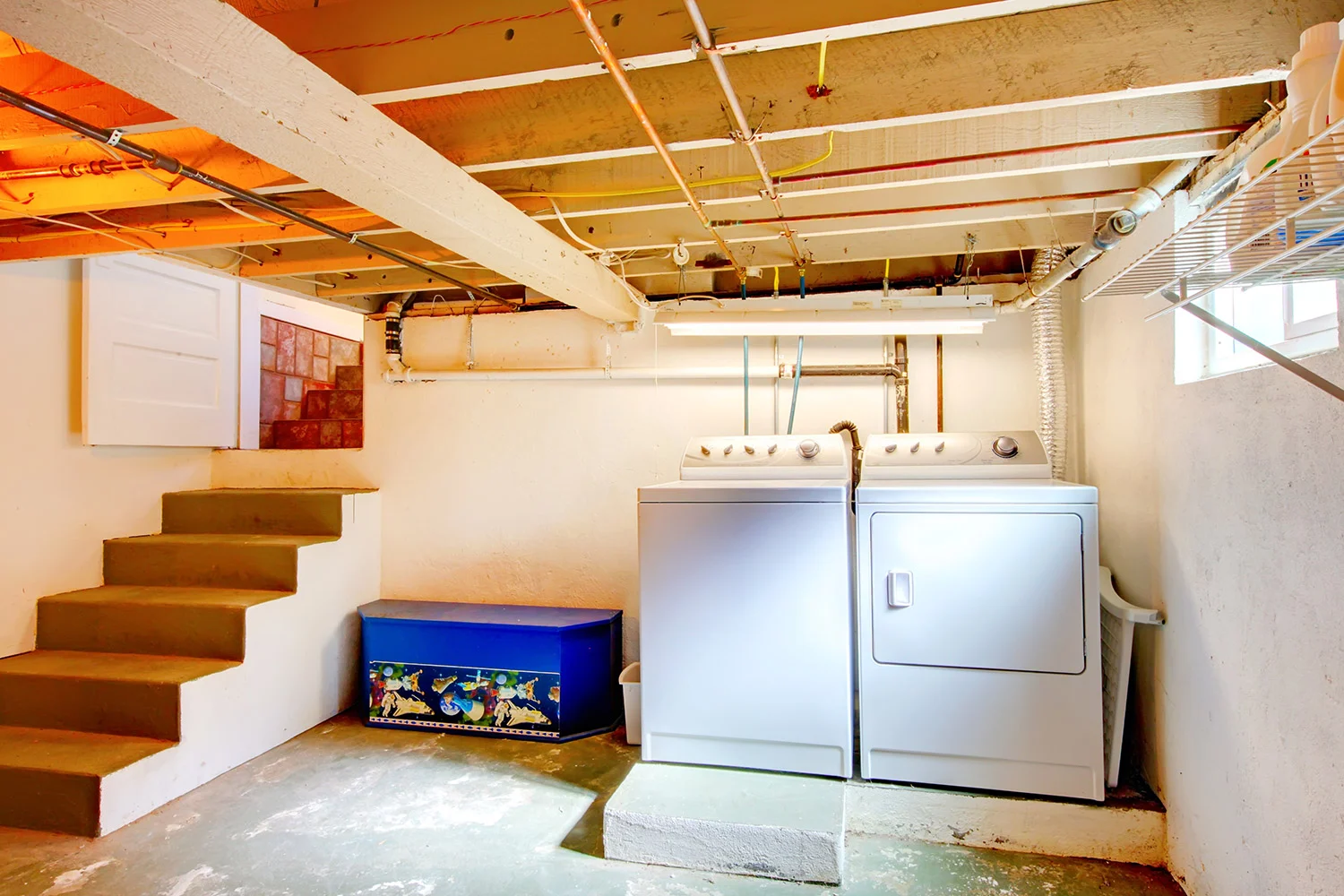

A reality check on Boston basements. Learn what “dry enough” actually means, how to spot water and mold risk on a showing, and when a basement problem becomes a budget problem.

Red Tree Real Estate has launched a new website designed to make it easier to search Boston homes and apartments, explore neighborhoods, and access practical local resources for renters, buyers, sellers, and investors.

Understand Logan flight paths and neighborhood noise before you buy. Learn why routes shift, what “DNL 65” really means, how to check real flight tracks, and what to ask about soundproofing.
See what your home is worth
Enter your home address to receive a free market analysis and
home valuation from us.
Need help? Call our office at 617.944.5311