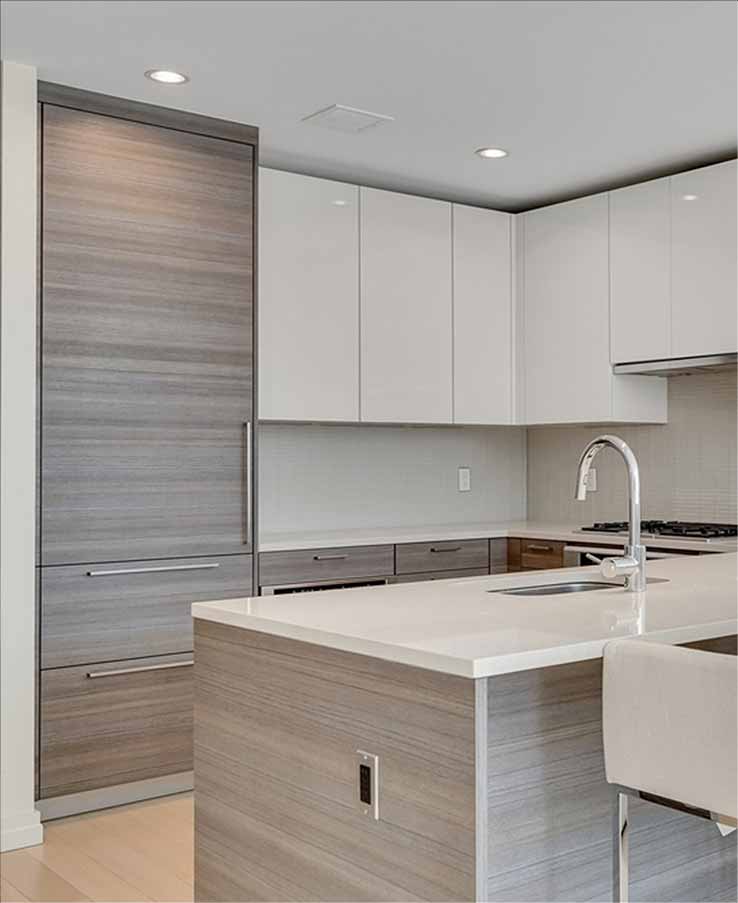




A condo can look perfect and still be a bad buy. The lobby sparkles. The unit smells like fresh paint. The view sells itself. Then six months later you get a letter that starts with “Dear Unit Owner” and ends with “Special Assessment.”
That letter rarely comes out of nowhere. The warning signs usually sit in the condo documents, quietly waiting for someone to read them.
Most buyers do not read them well. Some do not read them at all. Some skim the budget like it is a menu and then wonder why the building is broke.
In Boston, condo docs matter more than the kitchen. They tell you what you are really buying. Not only the unit, but the building’s finances, its maintenance habits, and the kind of neighbors you will share decisions with.
What “condo docs” actually include in Boston
Sellers and agents use “condo docs” as a catch all phrase. You should treat it like a file cabinet with specific drawers.
You will usually see the master deed, the declaration of trust, bylaws, rules and regulations, the current budget, recent financials, insurance summaries, meeting minutes, and sometimes a reserve study or engineering reports. You may also see questionnaires for lenders, and a 6(d) certificate in Massachusetts that confirms the unit has no outstanding common expense liens and that fees are current.
The red flags show up in a few places over and over. The budget. The reserves. The minutes. The insurance. The delinquencies. The rules.
If you learn how to read those sections, you can spot most expensive problems before you sign.
Red flag 1: Reserves that look like couch change
Reserves are the building’s savings account. They pay for roofs, boilers, masonry, elevators, and the stuff that does not care about your timing.
A low reserve balance does not automatically kill a deal. A small building can run lean if the structure is simple, the roof is new, and owners pay for projects as they come. The problem is when low reserves pair with old systems and no plan.
In Boston, many buildings are old. Roofs and brickwork cost real money. Elevators cost terrifying money. If the reserves cannot cover even one major project, the building will fund repairs through special assessments. That means surprise checks.
How to spot it fast is simple. Compare the reserve balance to the age and complexity of the building. A three unit walk up with a new roof can run differently than a 60 unit elevator building with a garage and a pool. Do not judge reserves in a vacuum. Judge them against what the building must replace.
Red flag 2: A budget that hides a future fee hike
A budget can look calm while it sets you up for pain.
Watch for condo fees that look too low for what the building provides. If a building has an elevator, garage, common heat, snow removal, and staff, the fee will not be cheap. If it is cheap, something is missing. That missing piece is often reserves or real maintenance.
Also watch for budgets that depend on “one time” income, like move in fees or a transfer fee used to patch operating costs. That is a bandage. It is not a plan.
Another issue is the “flat fee forever” mindset. Costs rise. Insurance rises. Labor rises. If the building never raises fees, it often defers maintenance. Deferred maintenance becomes your bill later.
Red flag 3: High delinquency and weak collections
Delinquency means owners are not paying fees. This can break a building.
If too many owners fall behind, the association cannot pay bills or build reserves. It may cut maintenance. It may delay repairs. It may struggle to get financing for projects. Lenders care about this because it affects risk.
You want to know how many units are delinquent and how much they owe. You also want to know whether the association pursues collections with consistency. A building that does not enforce collections is a building that shifts costs to the responsible owners.
In Boston, this matters more in investor heavy buildings where owners treat fees as optional. It also matters in small associations where one delinquent owner can wreck the budget.
Red flag 4: Meeting minutes full of the same problem
Minutes are where the building tells on itself.
A healthy building’s minutes read boring. They talk about routine maintenance, vendor bids, and planning. An unhealthy building’s minutes repeat the same crisis every month.
Look for patterns like recurring leaks, chronic roof issues, ongoing water infiltration, elevator outages, and heating failures. If you see the same problem discussed for years with no resolution, you are not buying a home. You are buying a soap opera.
Also watch for hostility and dysfunction. If minutes show constant fights, resignation threats, or an inability to vote on basic items, the building may struggle to execute projects. That means delays, worse damage, and higher cost later.
Red flag 5: Special assessments that feel “normal”
Special assessments happen. They are not always bad. The question is why.
A one time assessment for a roof replacement can be reasonable if the building chose to keep fees lower and fund capital work directly. The problem is frequent assessments that patch problems caused by poor planning.
If the building has assessed owners multiple times in a short period, ask what drove it. Then look for the next project. Many Boston buildings have a queue of needs. Roof, masonry, windows, boilers, decks, garage membrane, elevator modernization.
If the building keeps paying for yesterday, you will pay for tomorrow.
Red flag 6: Insurance gaps and weak coverage
Insurance is boring until it is not. In Boston, one water loss can change a building’s future.
You want to confirm the building carries a master policy that makes sense for its size and risk. You also want to check deductibles. High deductibles shift cost to owners during claims. Some buildings push those costs into “unit owner responsibility” rules, which can become nasty in a leak.
Pay attention to flood coverage if the building sits in a flood zone, especially in Seaport, East Boston, and parts of South Boston. Pay attention to wind and water coverage in older buildings near the harbor.
Also watch for insurance problems in the minutes, like policy non renewals, sharp premium spikes, or difficulty finding coverage. That can signal claim history or higher risk factors. Higher premiums can drive fee increases fast.
Red flag 7: Litigation, even when it sounds “minor”
Active litigation makes lenders nervous. It can also make you miserable.
Sometimes litigation is normal, like collecting unpaid fees or pursuing a contractor for bad work. Sometimes it signals deep issues, like construction defects, water intrusion, or serious governance fights.
If litigation exists, do not accept vague answers. Ask what it is about, what stage it is in, and what the financial exposure looks like. Even if the building expects to win, litigation can drag and cost money.
Also note that some lenders will not finance a unit in a building with certain kinds of lawsuits. That can limit your buyer pool when you sell.
Red flag 8: Owner occupancy too low for comfort
Owner occupancy ratio affects lending, stability, and culture.
Investor heavy buildings can work fine. They can also struggle with maintenance because investors often resist fee increases and reserve contributions. They may push for short term savings over long term health.
Low owner occupancy can also affect loan options for future buyers, depending on lender standards at the time. That can impact resale demand.
You do not need a perfect ratio. You need a building where owners care enough to fund the basics.
Red flag 9: Restrictions that clash with your life
Rules can ruin a condo you otherwise love.
Common problem areas include pet limits, breed limits, rental caps, short term rental bans, smoking rules, renovation hour rules, and move in restrictions. Some buildings limit the number of rentals allowed. Some require board approval for leases. Some ban roommates. Some restrict grills, bikes in hallways, and even window AC units.
None of these rules are “wrong.” They just need to match your real life.
If you plan to rent later, a strict rental cap can trap you. If you have a dog, pet limits matter. If you work odd hours, renovation rules and quiet hours matter. Read them like you will actually follow them, because you will have to.

Red flag 10: Deferred maintenance disguised as “historic charm”
Boston has gorgeous old buildings. Old does not mean bad. Neglected does.
Deferred maintenance shows up as peeling paint, crumbling masonry, failing decks, drafty common windows, and water stains in stairwells. It also shows up in financials when the building spends too little on repairs and too little on reserves.
If you see obvious exterior issues, look for evidence the building budgets for them. If the budget does not support the work you can see, it will not support the work you cannot see.
Red flag 11: Utilities and heat setup you do not understand
Utilities can hide real cost.
Some buildings include heat in the condo fee. Some include hot water. Some sub meter. Some use one master meter and allocate costs. If you do not understand the setup, you cannot forecast your monthly spend.
Ask what the condo fee covers. Ask what you pay directly. Ask if the building uses oil, gas, or electric heat. Ask about central systems and their age. In Boston, a shared boiler replacement can hit owners hard if reserves are weak.
Red flag 12: Management chaos and vendor churn
A building with frequent management turnover often has deeper issues. It can be board dysfunction, unpaid bills, unhappy residents, or a maintenance backlog that vendors do not want to deal with.
Look for clues in minutes and in how documents are delivered. If it takes forever to get basic records, that can signal disorganization. Disorganization shows up later in repairs, insurance claims, and vendor relationships.
A well run building behaves like a well run business. It keeps records clean. It responds. It plans.
How to read the docs without getting lost
Most buyers fail because they try to read everything at once. Use a simple order.
Start with the budget and reserves. Then read the last year of minutes. Then review insurance summaries and deductibles. Then scan rules and restrictions. Then check for pending projects, special assessments, and litigation.
If something looks off, ask a direct question and insist on a direct answer. You are not being difficult. You are being financially literate.
The Boston specific trap with small associations
Two and three unit condos are common here. They can be great. They can also be a mess.
Small associations often have no professional management. They may not hold formal meetings. They may not keep strong financial records. They may treat reserves like an optional concept.
That does not mean you should avoid them. It means you should treat them like a partnership. You are buying into a relationship with one or two other owners. If one owner refuses to contribute to repairs, you will feel it. If one owner runs the building like a personal kingdom, you will feel it.
Ask how decisions get made. Ask how they handle emergencies. Ask what the reserve balance is. Ask what the next big repair is. If they cannot answer, you are walking into a risk.
What “good docs” look like
A strong building leaves clues.
You see steady reserve contributions. You see maintenance projects completed and documented. You see a clear insurance setup. You see minutes that show planning, not panic. You see vendors paid on time. You see rules enforced in a consistent way.
Most important, you see a board that acts like adults. They communicate. They budget. They fix problems before they become disasters.
One short checklist you can use before you sign
Here are the questions that catch most issues fast.
-
What is the reserve balance, and what percent of fees goes into reserves each year.
-
What major projects happened in the last five years, and what projects are planned next.
-
How many units are delinquent, and what is the total delinquent amount.
-
What are the master policy deductibles, and what does the building require unit owners to cover.
-
Is there active litigation, and what is the financial exposure.
-
What rules could affect my life, pets, rentals, renovation, smoking, move in.
If any answer feels vague, slow down. Vague answers are rarely free.
Conclusion
Final take
A condo is not only a unit. It is a shared financial system. If the system is healthy, condo ownership can feel easy and predictable. If the system is weak, you will pay for it later, in fees, assessments, stress, and resale friction. Boston buyers miss red flags because they focus on finishes and ignore paperwork. Do the opposite. Read the docs like they are the property. Because they are. If you want the simplest rule, use this one. A great unit can’t save a bad building. A great building can make an average unit a smart buy.

Additional Articles & Posts
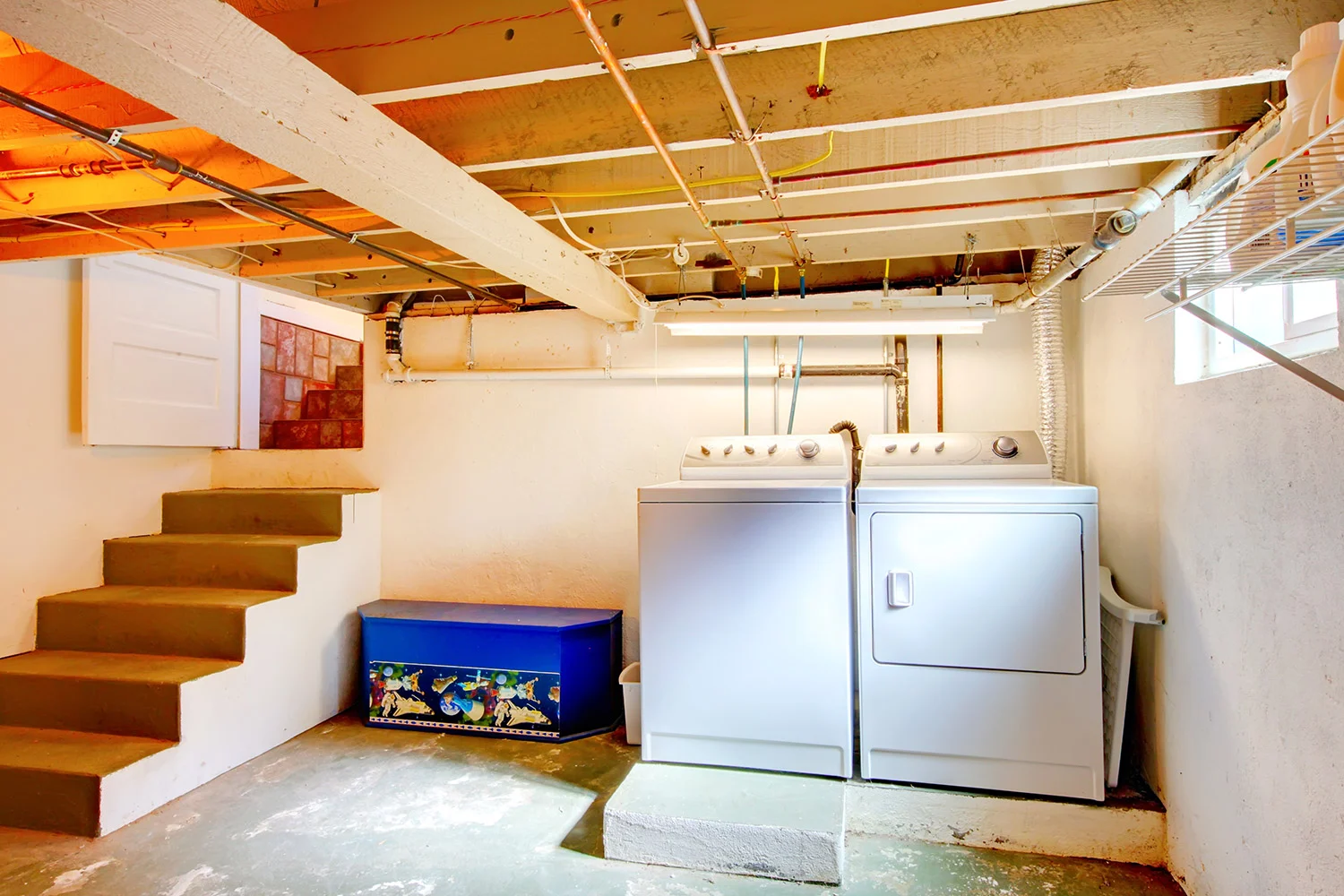

A reality check on Boston basements. Learn what “dry enough” actually means, how to spot water and mold risk on a showing, and when a basement problem becomes a budget problem.
Red Tree Real Estate has launched a new website designed to make it easier to search Boston homes and apartments, explore neighborhoods, and access practical local resources for renters, buyers, sellers, and investors.

Understand Logan flight paths and neighborhood noise before you buy. Learn why routes shift, what “DNL 65” really means, how to check real flight tracks, and what to ask about soundproofing.
See what your home is worth
Enter your home address to receive a free market analysis and
home valuation from us.
Need help? Call our office at 617.944.5311