



Boston cold is wet, windy, and personal. The air sneaks in through old trim, basement doors, and mystery gaps behind radiators. A heating system can be “fine” on paper and still feel awful at 2 a.m. in February.
So when people ask, “What heat should I buy?” I answer with a better question. “What heat will feel good in your building, on your street, with your bills, and with Boston’s weather?”
This guide breaks down the three big players you will see here. Steam radiators, heat pumps, and the costs that show up in your utility bills. I’ll also tell you what to look for on a tour so you do not buy a pretty place that feels like an icebox.
The quick map of Boston heating systems
Most Boston homes fall into a few buckets.
Older triple deckers and brownstones often use steam radiators fed by a boiler in the basement. Some run on natural gas. Some still run on oil. Many have been patched and tuned over time.
A lot of mid age condos use hot water baseboard, also fed by a boiler. You get steadier control than steam, but you still depend on the boiler’s health and the building’s maintenance.
Newer condos often use forced air with a furnace or a central heat pump system. You get ducts, filters, and faster response.
Then you have the modern wave. Ductless mini split heat pumps and whole home heat pumps. You see them in renovations, condo conversions, and some new builds. They can heat and cool. They can also disappoint if the installer sizes them wrong or if the building leaks air like a sieve.
Steam radiators in Boston
Why people love steam
Steam radiators give a certain kind of comfort. The radiator warms the room with radiant heat. It makes old wood floors feel less cruel. It also handles a drafty building better than many people expect because steam systems deliver high heat output when tuned right.
Steam also fits old Boston housing stock. Many of these buildings were built for it. Radiators sit under windows because that was the plan. Piping was designed around stacked units. When the system is balanced, you can get a warm home with a simple, durable setup.
Why people hate steam
Steam has a reputation for “either boiling hot or freezing.” That usually comes from bad balance, poor controls, or years of neglect.
Common steam problems in Boston look like this. One bedroom stays cold while the living room feels like a sauna. Radiators bang like someone trapped a raccoon in a metal drum. Heat runs too long because the thermostat sits in the wrong spot. Or the boiler short cycles because it is oversized.
Steam can also be hard to “zone” in a modern way. You can add thermostatic radiator valves in some cases, but steam is not built for room by room control. It is built for whole building comfort with simple tuning.
What to check on a tour
If you walk into a steam heated home, look past the charm and check the basics.
Look at the boiler age and condition. A clean install, proper venting, and tidy piping usually signals an owner who maintained the system. A rusty unit with improvised pipe runs is a clue that the system got ignored.
Listen for banging when heat runs. Some noise can happen, but loud hammering often means trapped water, bad pitch, or control issues.
Look at radiator valves and vents. Missing vents, mismatched vents, and signs of leaks near fittings tell a story.
Ask how the owner controls heat. One thermostat for a whole floor is common. If the building has multiple units, ask if each unit controls its own heat or if heat is centralized. That changes your bill and your control.
The big steam truth
Steam can be great in Boston. It can also be a money pit when nobody tuned it. A proper steam tune is not magic. It is vents, pressure, piping, and balance. When it is wrong, you feel it every day.
Hot water baseboard and radiators
Hot water systems circulate heated water through baseboards or radiators. In Boston condos, this is common. It tends to feel steadier than steam and offers better zoning potential.
The comfort depends on three things. Boiler health, circulation, and insulation. If you have cold rooms, you may have air in the lines, weak pumps, or poor balancing. If baseboards run along exterior walls with no insulation behind them, you can burn fuel to heat the outdoors.
If you own in a condo with shared hot water heat, pay attention to what your HOA covers. Some buildings include heat in the condo fee. That sounds great until fees rise. Other buildings sub meter or assign costs. Ask how it works before you assume your bill will be low.
Forced air systems in Boston
Forced air gives quick response and easy cooling integration. That is why many newer builds use it. You also get filtration, which can help with dust and allergies.
The downside is comfort in older buildings. If the building leaks air, forced air can feel drafty and dry. Duct design matters a lot. Poor duct placement creates hot and cold spots. A system that blasts heat then stops can feel less comfortable than steam’s steady warmth.
On tours, check vent placement and listen for noise. A loud blower, weak airflow, or whistling vents can signal duct issues. Ask about filter changes and service history. These systems need regular maintenance to stay efficient.

Heat pumps in Boston
What a heat pump really is
A heat pump moves heat. It does not “make” heat the way a boiler does. In heating mode, it pulls heat from outside air and moves it inside. In cooling mode, it does the reverse.
Modern cold climate heat pumps can work well in Boston winters. The key word is “modern,” and the key phrase is “sized correctly.” A heat pump that is too small will struggle on the coldest days. A heat pump that is too big can short cycle and feel uneven.
Ductless mini splits in Boston
Ductless mini splits are common in renovations and condo conversions. You get wall mounted indoor heads and an outdoor condenser. You also get zoning. You can heat the room you use and lower the rest.
They are great for shoulder season. Fall and spring are where heat pumps shine. In winter, they can still perform well, but comfort depends on layout. A single head in an open living room will not magically heat three closed bedrooms down the hall. Air does not turn corners because you asked nicely.
Whole home heat pumps and hybrid setups
Some homes use ducted heat pumps with air handlers. Others use hybrid systems, where a heat pump covers most days and a boiler or furnace kicks in during the coldest stretch. Hybrid can be a smart fit for Boston, especially in older buildings where insulation limits performance.
What to check on a tour
If a listing says “mini split heat,” get specific.
Ask the age of the system and the brand and model. Ask who installed it. A professional install matters more than the brand name on the sticker.
Ask if the installer did a load calculation, often called Manual J. If nobody sized the system, you are guessing.
Look at the placement of indoor heads. Do they serve bedrooms, or only the living area. Check if doors need to stay open for heat to reach key rooms.
Look at the outdoor unit location. Is it protected from roof runoff and ice. Is it on a stable stand above snow level. Does it have clear space around it.
Ask about backup heat. Some systems use electric resistance backup. That can spike bills if it runs often. Some use a boiler or furnace backup. That can control cost and comfort.
Bills: how to read your real heating cost
Boston buyers love the monthly payment and forget the utilities. Do not do that. Utilities can swing a budget.
Start with what fuel you are paying for. Natural gas tends to cost less per unit of heat than electric resistance. Heat pumps can reduce electric heating cost because they move heat efficiently, but bills still depend on insulation, sizing, and how you live.
Then look at who pays for what. In some buildings, heat is included in rent or condo fees. That can feel great, but it can also hide waste. In other buildings, you pay for heat directly. That gives you control, but it also exposes you to every draft.
Ask for real utility history when you can. Sellers can often share past bills. Landlords may share average costs. In condos, ask if the building is master metered or sub metered for heat and hot water. These details change the math.
Also pay attention to hot water. A “high bill” can come from a water heater that runs nonstop or from electric hot water in a household that takes long showers. People blame the heat and miss the real driver.
The building matters as much as the system
A perfect heating system cannot fix a building that leaks air. In Boston, old windows, unsealed basements, and uninsulated attics do more damage than most people realize.
If you want comfort and lower bills, focus on the envelope. Air sealing and insulation usually deliver the biggest bang for your buck. Storm windows, weather stripping, and attic insulation can change how a home feels without changing the boiler or heat pump.
This also explains why two triple deckers with “the same steam heat” can feel totally different. One has air leaks and poor balance. The other has sealing, insulation, and a tuned system. Same type, different reality.
What to ask during showings
Ask these questions in plain language and do not apologize for it. Heating is a core cost in Boston.
Ask what type of heat the home has and what fuel it uses. Ask the age of the boiler, furnace, or heat pump. Ask when it was last serviced. Ask if the home has insulation upgrades and where. Ask if the basement gets water, because wet basements can kill comfort and cause heat loss. Ask who controls the thermostat and how many zones exist.
If it is a condo, ask what the condo fee covers. Ask about past assessments and planned capital work, especially if the system is shared.
If it is a rental, ask what the landlord pays versus what you pay. Ask if the unit has been through a winter with the current system. A brand new mini split install in October looks great. January is where it earns its keep.
Upgrades that pay in Boston
If you buy a home and want better comfort, do not start with fancy gear. Start with basics.
Seal drafts first. Insulate the attic. Fix basement air leaks. Tune the existing system. Replace failed vents and controls. After that, think about equipment.
If you want cooling and heat, mini splits can be a smart upgrade. If you have steam and want better comfort, tune and balance the steam first before you rip it out. Steam that works feels great. Steam that does not work makes people do expensive things out of frustration.
If you go heat pump, prioritize proper sizing and thoughtful head placement. A good design makes heat pumps feel natural. A bad design makes them feel like a space heater you paid too much for.
Renter reality: what you can control
Renters cannot swap boilers. You can still protect yourself.
Tour on a cold day if possible. Feel the windows. Check for drafts at the baseboards. Look at the thermostat and ask what it controls. Ask where heat comes from, and whether heat is included. If heat is included, ask how the landlord prevents overheating, because some older buildings run hot and force you to open windows in winter. That wastes energy and dries the air.
If you pay utilities, ask for average winter bills and confirm what fuel and what meter applies to your unit. Boston has many buildings where “utilities” is not one simple line.
Conclusion
Final take
Heat that works in Boston is not one system. It is the right system for the building and the right building for your life. Steam radiators can deliver the best comfort in older housing when tuned and balanced. Hot water systems can offer steady heat and better zoning, especially in condo buildings. Forced air can feel great in newer construction with good duct design. Heat pumps can work well in Boston when they are modern, sized correctly, and paired with a building that holds heat.f you want the simplest rule, use this one. Buy the envelope first. Then buy the system. A warm, sealed home with average equipment will beat a drafty home with fancy equipment every winter.

Additional Articles & Posts
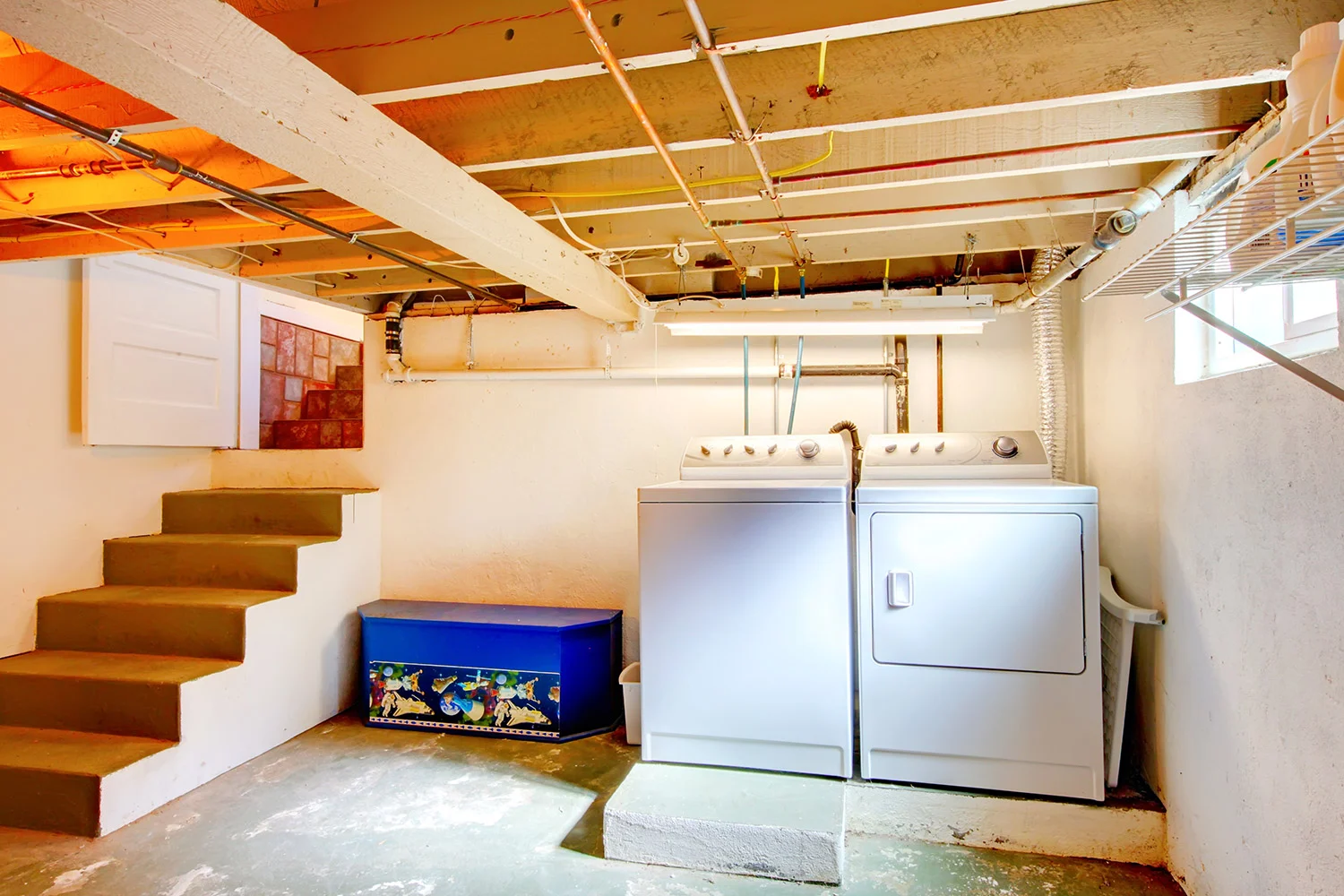

A reality check on Boston basements. Learn what “dry enough” actually means, how to spot water and mold risk on a showing, and when a basement problem becomes a budget problem.

Red Tree Real Estate has launched a new website designed to make it easier to search Boston homes and apartments, explore neighborhoods, and access practical local resources for renters, buyers, sellers, and investors.

Understand Logan flight paths and neighborhood noise before you buy. Learn why routes shift, what “DNL 65” really means, how to check real flight tracks, and what to ask about soundproofing.
See what your home is worth
Enter your home address to receive a free market analysis and
home valuation from us.
Need help? Call our office at 617.944.5311