

Renting comes with a weird emotional tax. You want comfort and pride in your space, but you also live with the knowledge that someone may judge your choices at move-out with a clipboard in hand. It does not matter if you lived there for two years and paid rent on time. If you leave behind wall anchors, torn paint, or sticky residue that looks like a crime scene, your security deposit becomes negotiable.
That push and pull drives a lot of renter behavior in 2026. People still want a home that feels personal. People also want upgrades that do not turn into repairs. The best renter-friendly DIY upgrades follow one principle: you should be able to reverse them fast, with basic tools, and without a patch-and-paint project.
This guide gives you practical, deposit-safe apartment upgrades across walls, lighting, floors, storage, kitchens, and bathrooms. I’m going to keep it real. “No damage” does not mean “I can fix it later.” It means you leave the unit in the same condition you found it, minus normal wear. If you treat that line as your north star, you can do a lot without taking any risks that matter.
Read your lease like you are looking for traps
Before you buy anything, read the sections on alterations, fixtures, painting, wall mounting, and “return to original condition.” Leases often allow small nails but ban anchors. Some ban any wall penetrations. Condo buildings often add rules on top, especially around windows, balcony decor, and anything that impacts building systems.
If your lease says you need written approval to change hardware, swap fixtures, or install window treatments, believe it. A quick email can save you a deposit fight later. When in doubt, choose upgrades that do not touch the building at all. Furniture, lighting, rugs, and storage pieces can change the whole feel of a home without crossing any lines.
The deposit-safe framework that makes decisions easy
Most renters get burned because they chase a look and ignore reversibility. In practice, deposit-safe upgrades follow three rules.
First, think in layers. You are adding a removable layer on top of a surface. A rug sits on the floor. A lamp changes light without changing wiring. A shelf riser creates storage without new holes. Layers give you control.
Second, avoid “strong” solutions for “small” problems. A heavy mirror does not need drywall anchors if you choose a leaning mirror. A gallery wall does not need nails if you use picture ledges that sit on furniture. Strong solutions create strong damage.
Third, respect moisture and heat. Bathrooms and kitchens break weak adhesives. Sunny windows cook cheap plastics. Radiators warp anything that traps heat. If an upgrade depends on glue, place it where it will not get steamed, soaked, or baked.
A renter’s starter kit that prevents mistakes
You do not need a toolbox that looks like a hardware store aisle. You need a small kit that helps you install and remove things cleanly.
Keep this in one box so you do not scramble at move-out:
- Microfiber cloths and a gentle cleaner
- Painter’s tape for measuring and planning
- A plastic putty knife for lifting edges without scratching
- A hair dryer for controlled heat during removal
- Spare removable strips and hooks in the same brand and size you used
- A tiny level or a phone level app so things look intentional
That hair dryer is the unsung hero. Heat helps soften many removable adhesives so they release without tearing paint.

Wall upgrades that look like you “did something”
Walls drive the biggest visual change, and they also cause the most deposit damage. So aim for wall upgrades that feel bold but behave politely.
Start with bigger art, not more art. One oversized framed piece leaning on a dresser or console reads like a design choice. Ten small frames hung with mixed hooks reads like a future repair bill. When you want a gallery vibe, build it on top of furniture. Put two or three frames on a long dresser, overlap them, add a small plant, and you get depth without a single hole.
Leaning mirrors work the same way. A tall mirror leaning against a wall makes rooms feel larger and brighter. You avoid anchors and you avoid the dreaded “mirror fell and took paint with it” story.
If you must hang lightweight art, treat removable strips like a system, not a gamble. Clean the wall first, let it dry, then follow the weight limits. Choose smooth painted walls. Skip textured walls, brick, and any wall that feels chalky. Texture reduces contact and increases paint lift. You can test one strip in a low-visibility area for a week. If it peels or leaves residue, you stop before it becomes a whole-wall problem.
If you want the look of shelves, skip floating shelves and choose freestanding bookcases, etagere shelves, or leaning ladder shelves. They create vertical interest, hold decor, and give you storage. They also leave with you, which matters if you plan to move again.
For color, renters often jump to peel-and-stick wallpaper. It can work, but it can also peel paint, especially on older paint jobs or walls with texture. If you use it, treat it like a controlled experiment. Choose one small, low-risk wall, avoid humid rooms, and test removal early. If you want color without that risk, use curtains, rugs, bedding, and art to carry color through the room. That sounds basic, but it works because it changes the field of view without touching the surface.
Lighting upgrades that make a rental feel high-end
Lighting is where renters get the biggest “before and after” without any landlord problems. Bad light makes everything look tired. Good light makes basic finishes look intentional.
Start with bulbs. In 2026, good LED bulbs come in every tone. Pick one color temperature for your whole apartment so rooms feel consistent. Mixed tones make a place feel chaotic even if everything else looks fine. Then add dimmable light where you spend time. You can do that with dimmable bulbs and plug-in dimmer switches for lamps.
Next, build layers. Most rentals rely on harsh overhead lighting. Add two or three lamps in the living room and one in the bedroom. A floor lamp plus a table lamp beats a single ceiling fixture every time because it spreads light and softens shadows.
If you want something that feels “built-in,” use plug-in sconces. They give you that hotel look without wiring. Route cords along baseboards with removable cord clips, or hide cords behind furniture. The goal is to make the cord look planned, not like an afterthought.
Smart lighting can also be renter-safe if you keep it plug-in and removable. Smart bulbs and smart plugs come with you when you leave. Just keep the original bulbs so you can swap back on move-out day.
Floor and rug upgrades that hide rental wear
Floors show age fast, especially in older apartments. Rugs fix that while adding comfort and sound control.
Choose a rug that fits the room. A too-small rug makes furniture look like it floats. A properly sized rug anchors the space and makes it feel finished. Add a rug pad. It protects the original floor, prevents slipping, and makes the rug feel thicker underfoot.
In hallways and entryways, runners protect high-traffic zones. That matters because scuffs near the door often turn into move-out conversations. A runner also makes the home feel “put together” the moment someone walks in.
A word on peel-and-stick floor tiles. Renters love the idea. Landlords love to charge for the aftermath. These tiles can trap moisture or bond in ways that damage finishes on removal. If you use them, place them only over an existing surface that can handle removal, like old vinyl, and avoid hardwood. If you feel any hesitation, skip them and use rugs instead. Rugs solve the same problem with far less risk.
Kitchen upgrades that clean up the “landlord special” look
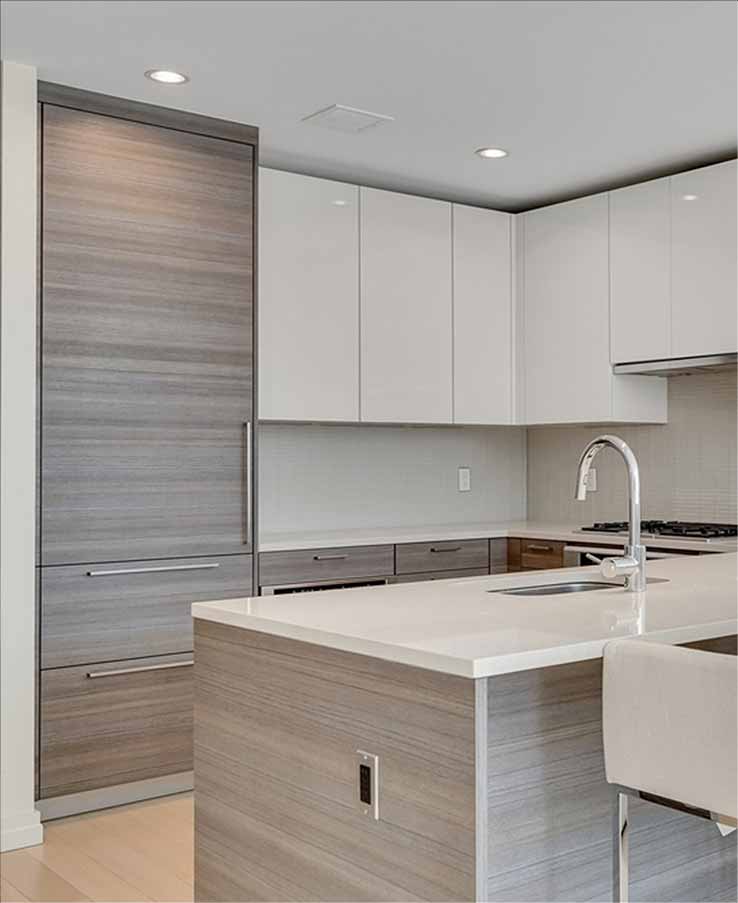
Most rental kitchens suffer from the same issues: bland cabinets, poor lighting, and clutter that builds because storage feels awkward. You can improve all three without changing the unit.
Under-cabinet lighting is a cheat code. Use plug-in LED light strips that mount with removable clips. They brighten countertops, make cooking easier, and make the kitchen look newer. Hide the cord behind appliances or route it along the back edge.
Next, organize the visual clutter. A tray for oils and salt, matching containers for pantry staples, and a simple utensil crock can make a dated kitchen feel calm. This is not decoration for decoration’s sake. It reduces the “stuff everywhere” look that makes kitchens feel smaller.
Cabinet hardware swaps can work if your lease allows it and you keep the original knobs. This is one of the few upgrades that feels like a renovation but stays reversible. The key is to store the original hardware in a labeled bag and reinstall it before move-out.
Peel-and-stick backsplash tiles can be renter-friendly if you install them on a smooth, clean surface and keep them away from direct heat and constant steam. If you have a gas range that throws heat onto the wall, be cautious. Heat can loosen adhesives, then you get peeling corners that collect grime. If you still want the look, you can also use a freestanding backsplash panel behind the stove, or you can style the wall with art on a nearby shelf and skip adhesive entirely.
Bathroom upgrades that make it feel cleaner and calmer
Bathrooms feel personal fast, and renters often hate the default setup. You can make a rental bathroom feel upgraded by improving storage, textiles, and lighting.
Start with a better shower curtain and a liner that hangs clean. Add a bath mat that feels substantial. Those two moves change the daily feel of the room.
For storage, choose freestanding pieces. Over-the-toilet shelving, slim floor cabinets, and rolling carts add space without drilling into tile. Tile and grout repairs can get expensive. Do not give your landlord a reason to say “water intrusion” with a straight face.
If you swap a shower head, do it only if you feel comfortable and your lease allows it. Keep the original shower head, use plumber’s tape, and check for leaks. A leak is not a style problem. It is a damage problem, and it can cost real money. If you do not want the risk, skip it and focus on comfort upgrades like a better shower curtain setup and storage for toiletries.
Privacy film on bathroom windows can also work well. Choose film that removes with water, apply it carefully, and test a corner first. Again, you are aiming for upgrades that exit clean.
Storage and layout upgrades that make the apartment work
A rental can look fine and still feel bad because the layout does not support your daily life. Storage upgrades solve that without touching a wall.
Under-bed storage clears closets. Closet organizers add space without installation if you use hanging shelves and stackable bins. If your closet has one rod, a tension rod can create a second level for shirts or jackets. Tension rods also help in kitchens for hanging towels or creating extra shelf space.
In the entryway, a slim bench or console creates a landing zone. Add a tray for keys, a small basket for mail, and a place for shoes. That stops clutter from spreading, which makes your home feel better even before you add any decor.
The adhesive rules that protect your deposit
Adhesives are where renters get hurt, because the product looks simple and the consequences show up months later. If you use adhesives, follow rules that match reality.
- Clean the surface first and let it dry. Dust and oil weaken hold and increase removal damage.
- Use the right product for the weight. Do not “double up” random strips and hope.
- Avoid humid zones unless the product is designed for it.
- Remove slowly, with controlled heat, pulling down rather than out when the instructions say so.
- Skip textured walls. Texture turns “removable” into “paint lift” fast.
A move-out plan that keeps the deposit conversation short
The best deposit strategy is boring. Document your starting condition, choose reversible upgrades, and undo them with time to spare.
Two weeks before move-out, walk through the apartment and list everything you added. Remove one category per day, like hooks one day, cord clips the next, then shelf liners, then anything adhesive. This spreads the work and keeps you calm.
One week before move-out, restore any swapped hardware and lighting. Clean walls where strips were used. Take “after” photos that mirror your move-in photos. This is not overkill. It is protection.
On move-out day, leave the apartment clean, empty, and predictable. Landlords charge more when they feel uncertainty. A clean, restored unit makes charges harder to justify.
Conclusion
You do not need to live in a blank box just because you rent. In 2026, renter-friendly DIY upgrades give you a way to make your space feel personal without turning your deposit into a donation. Stick to reversible layers, improve lighting, add rugs, build storage with freestanding pieces, and treat adhesives like a controlled tool rather than a shortcut. You get a better home now, and you keep your money later. That’s the whole game.

Additional Articles & Posts
The 2026 Boston First-Time Homebuyer Guide: Programs, Down Payments & What You Actually Need to Save

Boston first-time homebuyer guide for 2026: learn down payment options, assistance programs, closing costs, and how much cash you need to buy.


Buying a home in Greater Boston? Learn how to buy the right neighborhood by evaluating commute, lifestyle, amenities, and long-term value before making an offer.

Preparing to sell your home in Boston? Learn the expert tips that can help your home stand out, attract more buyers, and maximize your sale price in today's competitive market.
See what your home is worth
Enter your home address to receive a free market analysis and
home valuation from us.
Need help? Call our office at 617.944.5311