




Your week improves when your trip from door to desk takes thirty minutes or less. That short window gives you time for school drop off, a run along the Charles, or a calmer morning. It trims the hidden costs that creep in when you need two transfers, a long winter walk, or a nightly parking hunt. This index focuses on what you can repeat, not a lucky day when trains line up. It looks at the hubs that shape Boston commutes and maps routes that hold up in February rain.
What Door To Door Includes
Door to door starts at your lock and ends at your building. The clock includes the walk to a station, the wait on the platform, the ride, any transfer, the exit, and the last block to the office or clinic. The target assumes weekday rush. It assumes one reliable route most of the time and no more than one transfer. The method helps buyers shrink a search circle. It helps renters pick a lease that protects time. It works for the Red, Green, Orange, Blue, and Silver. It works for bikes. It can work for cars if you pick the right block.
The Hubs That Drive Boston
Five hubs define most commutes. The Financial District and Downtown Crossing pull a large share. The Seaport and Fort Point draw from the south and the east. Kendall Square and MIT pull from both banks of the river. The Longwood Medical Area pulls from Mission Hill, Brookline, Fenway, and Jamaica Plain. Back Bay and the Prudential cluster pull from the South End, Fenway, and the river blocks. Reach one of these hubs in thirty minutes and your week looks different. The task is to pick a home that makes that promise real.
A Simple Method That Holds Up
Pick your hub first. Choose the main mode that fits your life. If you ride the T, favor stations with frequent service and a short walk. If you ride a bike, favor protected links and flat grades. If you drive, favor real resident parking and a route that avoids a bridge choke at peak. Map a path with one transfer or none. Stand on the street and watch headways rather than trusting a poster. Add a small buffer for weather and track work. If the total sits near thirty on most days, the block makes the cut. If the plan needs luck, move one station closer or change the mode.
Financial District And Downtown
The Blue and Red carry most of the weight for State, South Station, Government Center, and Downtown Crossing. Short walks from the Green and Orange fill gaps. East Boston works because Maverick and Airport bring you into the core in minutes and keep the last walk short. North End and Waterfront blocks work because your feet beat any transfer when you live close to the towers and the courts. South Boston near Broadway works because the Red gives you a two-stop ride to South Station and a short walk to Federal Street. Cambridgeport and Riverside work when you ride from Central or Kendall, and keep walks tight at both ends. The Green Line Extension from Union in Somerville adds a clean ride to Government Center. Allston near Packards Corner or the BU stops can work for offices near Government Center if you plan for Green headways and live close to the platform. Beacon Hill and the West End reward walkers who cut through the squares rather than waiting to transfer. Charlestown near Community College rides the Orange to Downtown Crossing and reaches the core with time to spare.
Seaport And Fort Point
The Seaport runs on the Silver Line and on foot from South Station. Bikes shine on the Harborwalk and on the cycle tracks along the channel. Living east of Broadway in South Boston lets you walk, ride, or take the 7 to Summer Street and keep the clock honest. Fort Point, the Leather District, and the South Station blocks place you in range on foot. That is the cleanest option in a district with heavy curb use and frequent events. East Boston can work with a Blue ride to State and a link to the Silver, or with a short walk from South Station if your office sits near Congress Street. The North End and the Waterfront can work for people who cross the Moakley or the Congress Street Bridge and head into the channel by foot. Some South End blocks near East Berkeley hit the mark with a short bike ride on a route with simple turns. A car can cover the distance on some days, but the channel can stall at peak and during storms. If you must drive, plan for a garage pass and test the exit at a real rush hour.

Kendall Square And MIT
Kendall is a Red Line story and a bike story. Cambridgeport, Central, and East Cambridge place you within one stop or a short ride. Lechmere adds a brief walk or one GLX hop. Back Bay and the South End work when you transfer at Park from Green or Orange to Red and keep the last walk tight. Beacon Hill sits close to MGH, so a one-stop Red ride into Kendall often wins. Allston and Brighton work for steady riders who favor the BU Bridge and the river path. Charlestown can work with Orange to Red or by bike over the Locks. If you ride all year, pick a home with indoor storage and a good lock spot at work. Kendall rewards that choice with lanes and paths that reach the square from every side.
Longwood Medical Area
Longwood sits on the Green branches and the 39 bus. Mission Hill near Brigham Circle sits close enough to walk to major institutions and still gives you the option to ride a stop or two when snow piles up. Brookline Village and Coolidge Corner work because the D and C branches link to Longwood with short walks. Jamaica Plain near Hyde Square or along Centre Street works when the 39 runs strong into the heart of the district. Fenway works for people who prefer to walk from the park blocks or ride a short hop on the D. Audubon Circle and Saint Marys work because the C and D branches meet and head toward both Back Bay and Longwood. When you can, favor the D branch. Station spacing and speed hold up better during rush.
Back Bay And The Prudential Cluster
Back Bay runs on Green and Orange with easy walks from the South End, Fenway, and the river. South End addresses within a short walk to Copley, Back Bay, or Tufts Medical place you inside the thirty minute circle. Fenway and Audubon Circle suit riders who favor the D branch to Copley or Hynes. Brookline on the C or D brings you in with a direct Green ride. Cambridge near Central or Kendall uses a Red to Green link at Park and a short walk along Boylston or Huntington. Allston and Brighton work for riders who accept a B branch ride to Hynes and a walk through the Back Bay grid. Charlestown reaches Back Bay with the Orange to Back Bay Station and a short walk under the tracks. The best tactic here is redundancy. Live within reach of more than one station so service changes do not break the plan.
Why Bikes Often Win
Boston rewards riders who plan routes with care. If you live along the Southwest Corridor, Longwood and Back Bay sit within reach and you skip crowded platforms on service days. If you live along the Charles, paths on both banks carry you to Back Bay, MGH, and Kendall without stress. The BU Bridge and the Harvard Bridge make Allston, Brighton, and Cambridgeport work for riders with steady legs. The Harborwalk and Seaport cycle tracks turn South Boston and the Waterfront into a connected zone that stays reliable when traffic slows. The best bike commutes stay flat, use simple turns, and end with safe storage at both ends.
How To Drive Without Losing Time
Some people need to drive. The index can still hold if you choose with care. Pick a block with resident parking that is real. Learn snow routes ahead of time. Avoid bridge crossings at peak unless there is no other path. South Boston helps people who work in the Seaport because a short street run can beat a slow channel crossing. Parts of Charlestown help people who work in the core because the grid flows to the arteries that reach garages near the Greenway. Parts of Jamaica Plain and Roslindale help early shifts because road space opens before the city fills. Driving is the least reliable mode on storm days, so you still need a backup plan.
Micro Locations That Punch Above Their Weight
Small zones can carry big value. Andrew Square links the Seaport and the core with short routes in several directions. Broadway Station links both Seaport and Downtown by foot and by Red. Maverick sits one Blue ride from the core and a seasonal ferry ride from the Waterfront. Brigham Circle sits at the door to Longwood. Brookline Village gives you a D branch ride to Longwood and a short change to reach Back Bay. Central Square lands between Downtown and Kendall with frequent service. Union Square in Somerville reaches Downtown via GLX and offers a second route by bike. Saint Marys Street sits near both C and D and reaches Back Bay or Longwood with ease. The North End reaches Downtown and the Seaport by foot. The Leather District sits between South Station and the channel and turns both into short walks.
Tradeoffs You Should Name In Advance
A short commute comes with a trade. You pay more per square foot to save minutes. You may pick a smaller place near a station rather than a larger home on a quiet lane. You may give up a car and gain a faster walk. Name the trade before you tour so you do not drift. If you need a porch, you may live one stop farther and accept a little time on the platform. If you need a dog park, your circle shifts to Jamaica Plain, South Boston, or the Esplanade edge. If you need a garage, you look at newer buildings or adjust the budget. Clarity keeps you from falling for a pretty home that steals your time.
A One Week Test That Proves The Claim
Give the idea seven days and a timer. Map your main route and a backup for the hub you care about. Run a morning trip at two start times and log door to desk. Run an evening trip on two days and log desk to door. Pick one day with rain and run the plan again. If four of six runs hit thirty minutes or less, the block is strong. If one or two runs hit the mark, move closer or switch the mode. This small test beats opinion because it measures the life you will live.
How Buyers Use The Index
Draw your search circle around the hub first. Inside that circle, focus on buildings that match your mode. If the T is your backbone, live within a five to eight minute walk of the station you will use and favor lines with frequent service. If a bike is your backbone, choose a route with simple turns and secure storage at home. If a car is your backbone, count open curb spaces on a weekday evening and drive your exit at the time you plan to leave. When you tour, time the walk to the station rather than guessing from a map. Stand on the platform and count how many trains arrive in ten minutes. You will know if the circle is real after two visits.
How Renters Lock In A Short Commute
Use the same system with a lease in mind. Ask for the exact address before you schedule a showing and test the time yourself. If a listing will not share the address, skip it. Look for quiet side streets near a station or near a bike path entrance. Check storage for a bike and the plan for snow. Ask for average utility bills if the heat is electric or if you will run window units. Start a lease on a date that avoids planned work on your line. Keep a backup ready in case track work hits your first week.
Seasons And Service Disruptions
Season shifts matter. Winter adds minutes, so live closer to stations with frequent service and favor the Red, Orange, Blue, and the D branch where you can. Snow rules shape life for car owners, so learn your snow route and keep a shovel by the door. Summer brings track work. Redundancy helps. Two stations within reach will save you when a branch closes for a weekend. A short walk to a second line pays off over a year.
Small Tools That Lock In Gains
A timer on your phone turns guesses into facts. A transit app with live headways turns waiting into planning. A simple bike with fenders turns a wet day into a normal day. A dry layer in your bag turns a gust off the harbor into a mild note. A short list of backup routes keeps your plan flexible. Treat your commute like a core system and it will behave like one.
Common Traps And Clean Fixes
A posted schedule is not a door to door time. A route with two transfers often fails when the second headway slips. A long winter walk does not feel short by week three. A home one station too far steals ten minutes each day. A route without a second exit fails during maintenance. Each trap has a fix. Keep transfers low, walks short, and exits plural.
What Time Is Worth
The market prices time. You pay more to live closer. The premium can pay for itself when you count your month in hours saved. If moving one station cuts five hours a week, that is twenty hours a month for rest, family, study, or a project. Parents use that time for pickups. Residents use it for early rounds. Engineers use it for heads down work before standup. Lawyers use it for prep. Money means different things to each person. Time is the common unit that helps you choose.
Putting It All Together
Name your hub. Commit to a mode. Draw the circle of blocks that can hit thirty minutes without luck. Test the route with a timer. Tour only inside that circle so you do not fall for a home that steals your time. Decide on the trade you will accept and the one you will not. When a place hits the marks, move with purpose. Boston opens up when you keep your commute short. You get the river, the food, the parks, and the culture without a long ride each day. You also cut travel cost and waste because you pick routes that hold up all year.
Conclusion
A real thirty minute commute in Boston is not a myth. It takes a plan that treats your time like the scarce resource it is. Live near a station with frequent service or along a bike path with a clean line to your hub. Keep transfers low and the last block short. Build a backup for weather and service work. You will feel the gain the first week and every month after. Use this index to pick the block, then pick the home inside the block. That is how you win your weekday in Boston.

Additional Articles & Posts
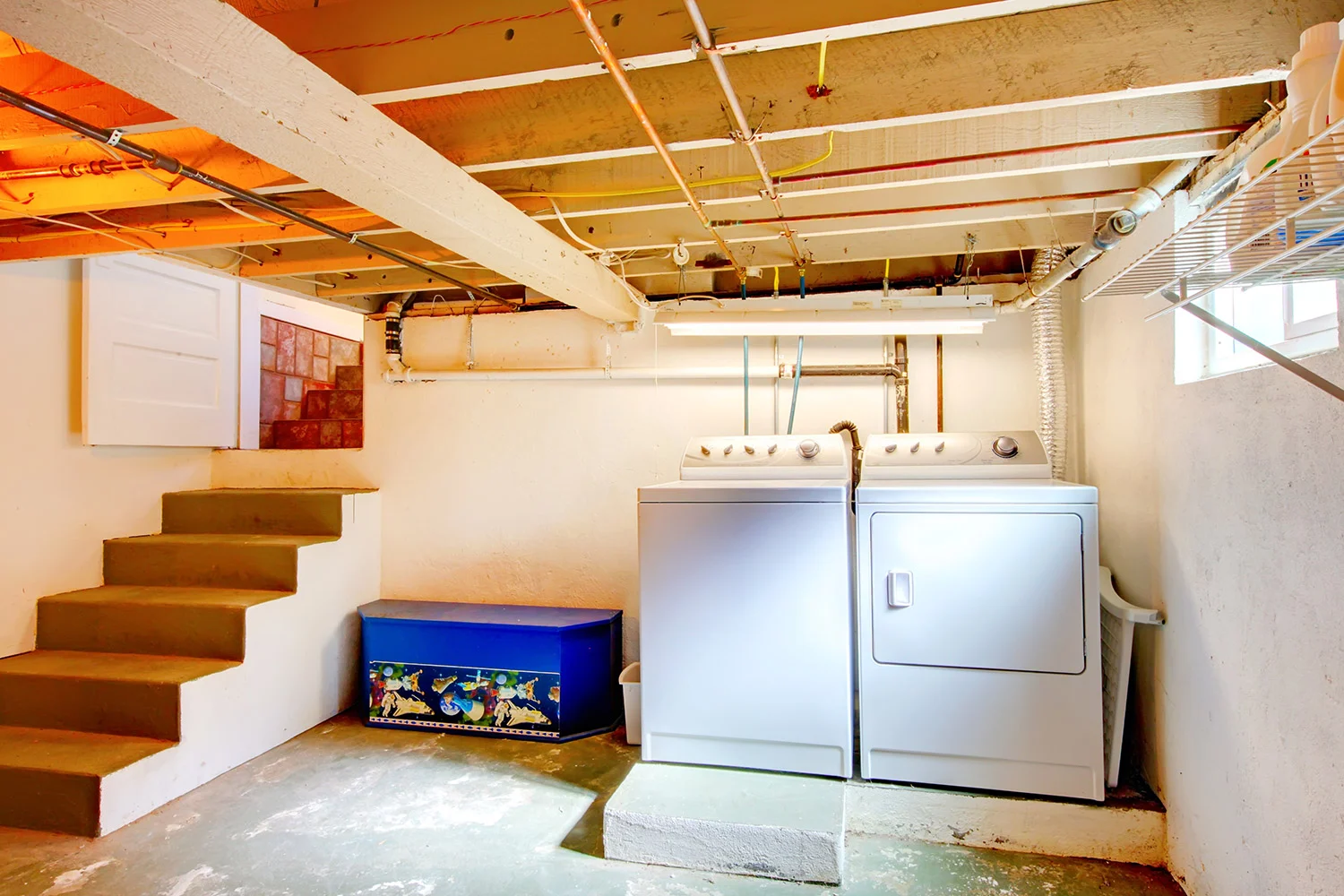

A reality check on Boston basements. Learn what “dry enough” actually means, how to spot water and mold risk on a showing, and when a basement problem becomes a budget problem.

Red Tree Real Estate has launched a new website designed to make it easier to search Boston homes and apartments, explore neighborhoods, and access practical local resources for renters, buyers, sellers, and investors.

Understand Logan flight paths and neighborhood noise before you buy. Learn why routes shift, what “DNL 65” really means, how to check real flight tracks, and what to ask about soundproofing.
See what your home is worth
Enter your home address to receive a free market analysis and
home valuation from us.
Need help? Call our office at 617.944.5311