




Logan noise is not a simple circle around the airport. It’s a moving set of corridors that can light up a neighborhood for weeks, then go quiet when the wind flips or air traffic control changes runway use. That’s why buyers get burned. They tour on a calm day, fall in love, then move in and meet the 6:10 a.m. departure parade like it’s a daily alarm clock.
Massport even frames it this way in plain language: runway use shifts based on wind, weather, aircraft performance, demand, air traffic control conditions, and availability. When a runway gets used more, the communities near that runway end get more noise exposure.
Why flight paths change so much
Logan has several runways, and the airport can’t just “pick the quiet one.” Safety and wind come first. Then you get the ripple effect: departures and arrivals line up on different headings, and those headings create the overhead tracks people hear.
On top of that, modern satellite-based navigation can concentrate flights more tightly than the old “spread out” style. That concentration is the core reason some inland neighborhoods suddenly feel like they live under a freeway in the sky. The Massport/MIT “Block” work around procedure updates exists because communities experienced concentrated tracks and pushed for changes.
The FAA has already implemented multiple Logan procedure changes aimed at reducing overflight noise impacts, including changes rolled out in December 2021 and later “Block 2” approvals published in 2023.
And yes, this stuff keeps evolving. MIT’s ICAT group has worked with agencies and communities on lower-noise procedures, with potential fuel-burn benefits in some cases.
The neighborhoods that feel it most (and why)
If you’re close to Logan, you’re in the direct impact zone. Massport’s Residential Sound Insulation Project materials call out the communities where its investments have improved indoor sound levels: Revere, Chelsea, Winthrop, East Boston, and South Boston.
But “close” isn’t the only story. Overflight noise reaches well inland when departure corridors aim that way. Towns like Belmont maintain public guidance specifically about Logan flight path noise and how to file complaints.
So don’t assume, “I’m not near the airport, I’m fine.” In Boston, you can be miles away and still get loud, low, frequent overflights depending on runway and routing.
DNL 65 is real, but it’s not the whole lived experience
You’ll hear “DNL” in noise discussions because it’s a standard measure the FAA uses for cumulative exposure over a 24-hour day, averaged over time. DNL also adds a 10 dB weighting for nighttime operations between 10 p.m. and 7 a.m.
Massport ties sound insulation eligibility to an FAA-approved 65 DNL noise contour (a Noise Exposure Map), for a specific year, plus additional screening.
Here’s the buyer takeaway: DNL helps with policy and program eligibility. Your sleep depends on peaks, timing, and frequency. A place can feel “fine” on a yearly average and still drive you nuts at 5:45 a.m. when the pattern lines up overhead.

What Massport is doing (and what it can’t do)
Massport runs a noise abatement program with rules that include runway restrictions, limits on some ground operations, and bans on older, noisier engine tech.
It also runs one of the larger soundproofing efforts you’ll see near an urban airport. Massport says it has invested over $170 million and soundproofed more than 11,000 dwelling units and 36 schools since the program began.
Still, Massport is direct about the limit: sound insulation can reduce noise inside, but it cannot eliminate the noise at the source.
How to check flight paths like you actually mean it
If you want to buy smart, don’t rely on “it seems quiet.” Use tools that show real operations.
Massport points residents to Flight Monitor (PublicVue), which lets you watch time-delayed aircraft movement in Greater Boston and file a disturbance report to the Noise Abatement Office.
Massport also partners with the FAA’s Noise Portal for aircraft noise information and inquiries.
And if you want a broad, top-down sanity check, the U.S. DOT’s National Transportation Noise Map can show general patterns, but DOT warns it’s meant for national trend tracking and not for evaluating noise at specific locations or times.
What to do during a showing so you don’t fool yourself
Noise is situational, so test it like you would test commute time. Go more than once. Go at different hours. If you can, go early morning and early evening because that’s when people most often notice overhead patterns.
Inside the unit, open windows and listen. Then close them and listen again. The delta tells you a lot about window quality and air sealing. In older Boston buildings, that difference can be the gap between “annoying” and “unlivable.”
Also pay attention to unit position. Top-floor bedrooms with skylights and thin roof assemblies often feel noise more than a first-floor unit with more structure above it.
The “soundproofing” question every buyer should ask
Ask the seller (or the condo association, if applicable) what improvements they’ve made that affect indoor noise. Then ask for documentation, not vibes.
If you’re in one of the communities Massport’s program targets, it’s worth asking whether the property ever qualified or participated, since Massport uses FAA-approved 65 DNL contours and additional screening for eligibility.
Also ask if the building has central A/C or another way to stay comfortable with windows closed in summer. People tolerate noise better when they aren’t choosing between fresh air and sanity.
Conclusion
A final reality check
Logan noise won’t be the same every day, and flight paths can change over time due to runway use and FAA procedure updates. So the smart move is simple: before you buy, look at real tracks, visit at real times, and assume patterns will shift. If the home still works under that assumption, you’re making a resilient choice. If the home only works on the quiet day you toured, you’re buying a coin flip.

Additional Articles & Posts
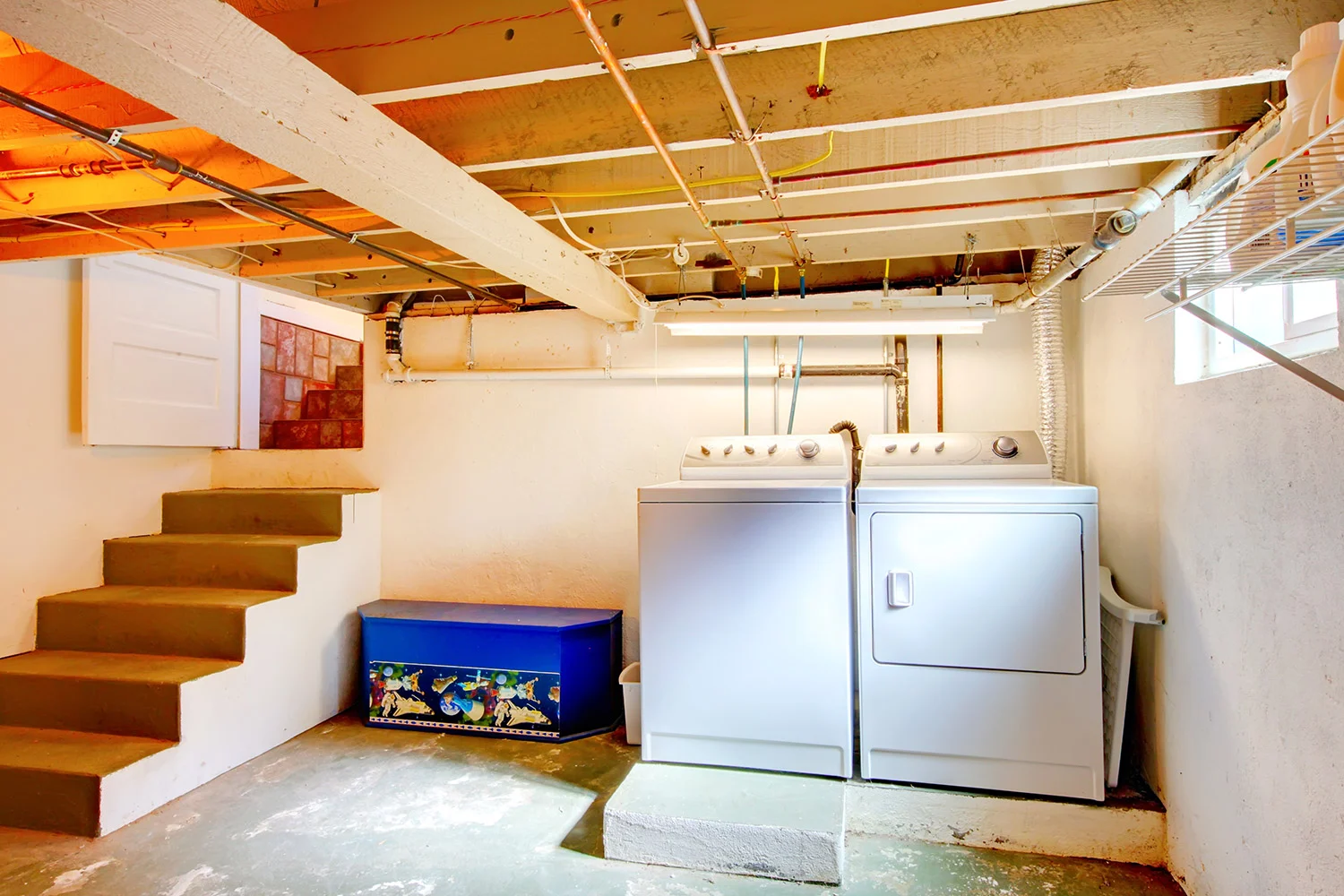

A reality check on Boston basements. Learn what “dry enough” actually means, how to spot water and mold risk on a showing, and when a basement problem becomes a budget problem.

Red Tree Real Estate has launched a new website designed to make it easier to search Boston homes and apartments, explore neighborhoods, and access practical local resources for renters, buyers, sellers, and investors.

Understand Logan flight paths and neighborhood noise before you buy. Learn why routes shift, what “DNL 65” really means, how to check real flight tracks, and what to ask about soundproofing.
See what your home is worth
Enter your home address to receive a free market analysis and
home valuation from us.
Need help? Call our office at 617.944.5311