

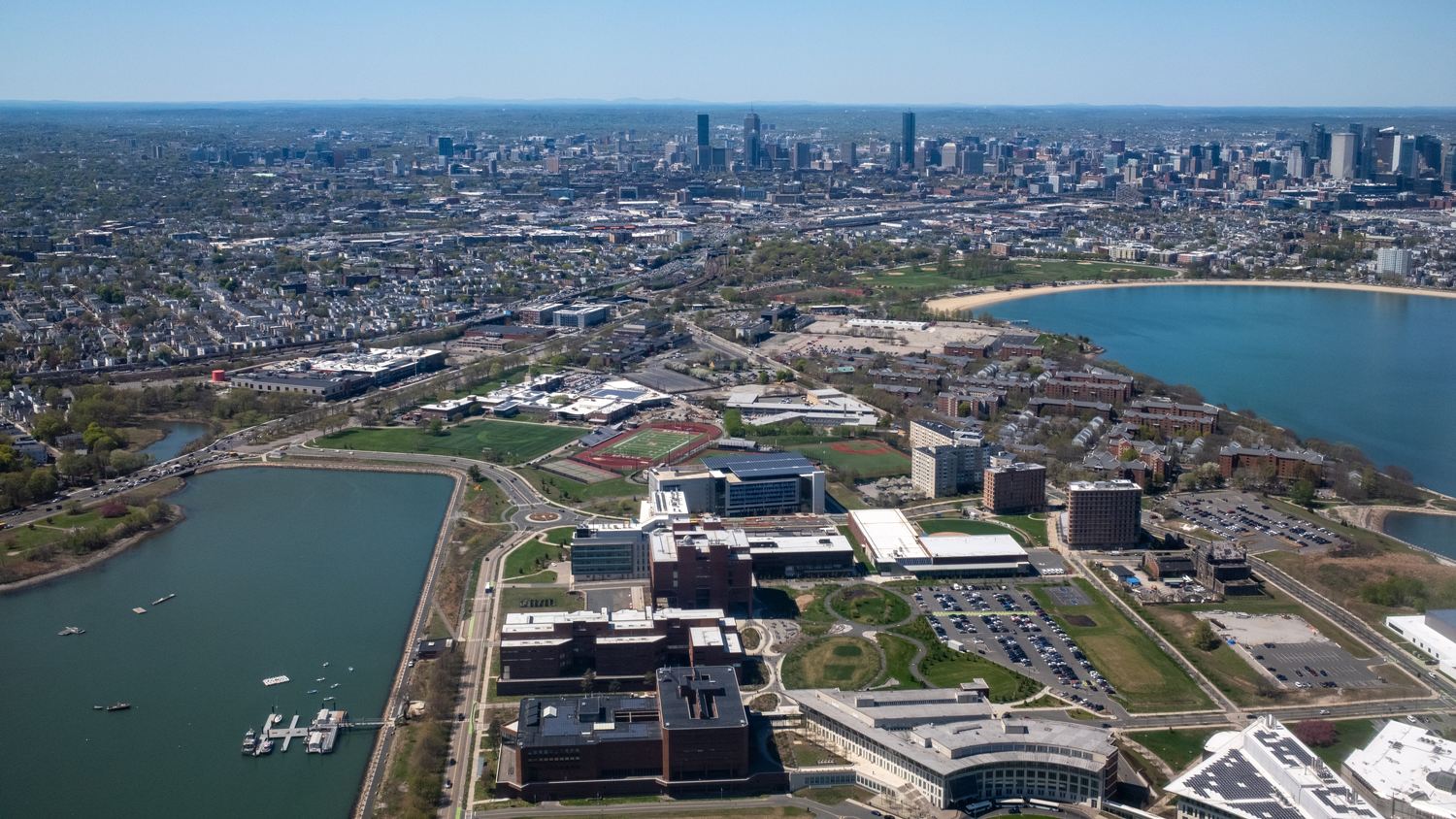
UMass Boston sits on Columbia Point, which gives it a different rhythm than most Boston schools. You get a campus that feels slightly removed from the Back Bay and Fenway churn, but you’re still plugged into the city through the Red Line. For a lot of students, that’s the sweet spot: easier daily living, quick access when you want it, and less pressure to pay “center of everything” rents.
Housing choices here tend to split into two paths. One group stays close, usually in Dorchester, because it keeps commute time down and makes campus days smoother. The other group follows the Red Line south toward Quincy for more space and, in many cases, better value. Both approaches can work, as long as you decide early what you’re optimizing for: walkability, transit simplicity, budget, or space.
Transit planning is straightforward. Most students use the MBTA Red Line to JFK/UMass, then take the free shuttle to campus. That makes “live near a Red Line stop” one of the cleanest strategies when you’re narrowing neighborhoods.
Neighborhoods Near UMass Boston
JFK/UMass and Columbia Point
This is the most commute-friendly zone, especially if you want to minimize transfers and keep campus access simple. It’s ideal for students who plan to be on campus often and don’t want housing to complicate their schedule.
Savin Hill
Savin Hill is a classic UMass Boston pick because it blends neighborhood feel with strong Red Line access. You get solid food options, a mix of apartments, and a commute that doesn’t feel like a second job.
Fields Corner
Fields Corner often gives you more space for the money than some nearby pockets, plus easy access to Dorchester Avenue’s daily essentials. It’s a good option if you want Dorchester convenience and a more grounded, local feel.
Ashmont
Ashmont is a good match if you want a more residential setup with great Red Line connectivity. It can feel calmer than the closer-in Dorchester pockets, while still keeping downtown access realistic.
South Boston (Andrew Square side)
South Boston can work well if you want quick access into downtown and a more “Boston core” vibe. The trade-off is pricing and competition, but if you like being close to the city’s center of gravity, it’s a strong option.
Quincy (North Quincy / Quincy Center)
Quincy is the value play for a lot of students, especially if you want newer buildings, more space, or a clearer rent-to-amenities trade. If you stay close to the Red Line, the commute remains predictable.
Frequently Asked Student Housing Questions
Use this guide to understand the student housing process, from required documents and guarantors to utilities, subletting rules, and what happens after you’re approved.
Request Student Housing Options
Whether you’re a student or a parent coordinating the search, send your details below and a Red Tree team member will follow up after reviewing your needs and timeline.
This site is operated by Red Tree Real Estate, an independent real estate brokerage. References to universities are for informational purposes only. Red Tree Real Estate is not affiliated with or endorsed by any university, and this page is not an official university housing resource.