



Buying a home does not “buy” a specific BPS school. Boston Public Schools uses a home-based assignment system for K–8 that gives you a choice list, not a guaranteed neighborhood school. BPS uses an algorithm “similar to a lottery,” so you can’t count on your top pick. High school works differently. BPS says its 7–12 and 9–12 high schools are citywide options for all students.
How BPS “home-based” assignment works
Your address creates your choice list. BPS builds a customized list based on your home address. It includes every school within a one-mile radius, plus additional nearby “high-quality” schools as needed, and sometimes “Option Schools” to make sure there’s a seat on your list.
You can’t apply to schools not on your list. BPS says if a school does not appear on your list, you are not eligible to apply to it.
Most families see a manageable set of options. BPS says most families get around 10–14 options on their list.
Timing matters more than people think. BPS says students who apply in January for K0, K1, K2, 6, 7, and 9 have the best chance of landing a top choice. They also warn they can’t guarantee K0 or K1 seats due to limited space.
The tool buyers should use before they even tour
Run the exact address through Great Starts. BPS points families to its School Choice Tool / Great Starts platform to see eligible schools tied to an address.
Treat unit formatting like it matters, because it does. In condos, “Unit 3” vs “#3” vs “3A” can change what you pull up. If the address tool looks off, verify with a BPS Welcome Center before you assume anything. BPS directs families to Welcome Centers for help with registration and assignment questions.
Special admission schools: the quiet extra step that trips families
Some schools require two actions, not one. BPS is clear: for schools with special admissions, you must complete the separate application and rank the school on your BPS registration form. Miss either step and you’re out.

Exam schools: what’s true right now
There are three exam schools. BPS lists Boston Latin School, Boston Latin Academy, and the John D. O’Bryant School of Mathematics and Science.
Entry points are limited. BPS says all three accept new students for grades 7 and 9, and O’Bryant accepts a small number for grade 10.
Testing is required. BPS says an admissions test is required to apply, and it outlines MAP testing requirements for current BPS and non-BPS students.
Policy changes are active. BPS says the School Committee accepted exam school policy revisions effective immediately, beginning with invitations sent in spring 2026 for the 2026–2027 cycle.
And the details matter. WBUR reported that under the new policy, 20% of open seats are offered citywide to top-performing students, with the remaining 80% distributed by socioeconomic tier, and that bonus points tied to high-poverty schools were eliminated (with changes to points tied to unstable housing).
Charter schools: a parallel track many Boston buyers use
Charters use lotteries. Boston-area charter schools describe a common application system (SchoolMint) and a random lottery process.
Deadlines can be early. Multiple Boston charters state a late-February deadline and early-March lottery timing for the 2026–2027 year (often Feb 28, 2026 and March 4, 2026).
Waitlists are normal. The Massachusetts Department of Elementary and Secondary Education reports large statewide charter waitlists (tens of thousands of entries) in its 2025–2026 waitlist report, which is a good reminder to keep a Plan B even if you love a charter.
What this means for home value and buying strategy
Don’t pay a “school premium” like it’s guaranteed. In Boston, your address changes your options, but it does not hand you a seat in one specific building. BPS says the algorithm can’t guarantee your top choices.
Buy a home you’d still like if you don’t get your first pick. That sounds obvious. It isn’t. People stretch for the “perfect school plan,” then feel trapped when assignment doesn’t break their way.
Pick neighborhoods based on your whole week, not one building. Walkability, commute, parks, after-school logistics, and backup options matter. School choice is one part of the system, not the whole system.
The clean “do this first” path for buyers with kids
Start with eligibility and age rules. BPS lists the age cutoffs for K0, K1, and K2 for the 2026–2027 year (3/4/5 years old by Sept 1, 2026).
Pull your real choice list. Use Great Starts / the School Choice Tool for the exact address you might buy.
Go to school info sessions. BPS says schools hold info sessions between November and January.
If you’re considering exam or special admission schools, track the extra steps early. BPS requires separate applications for some schools, and exam schools have a distinct admissions process and testing.
Conclusion
Final take
Boston school choice rewards planning, not guessing. The citywide conversation often makes it sound like “live here, get this school.” That’s not how it works. BPS builds a home-based choice list, runs an algorithm, and can’t promise your top pick—especially in early grades. If you want to buy smart, treat school assignment like a probability game. Verify the address-based list first, understand the special admissions steps, and make sure the home still works for your life even if the school outcome shifts.

Additional Articles & Posts
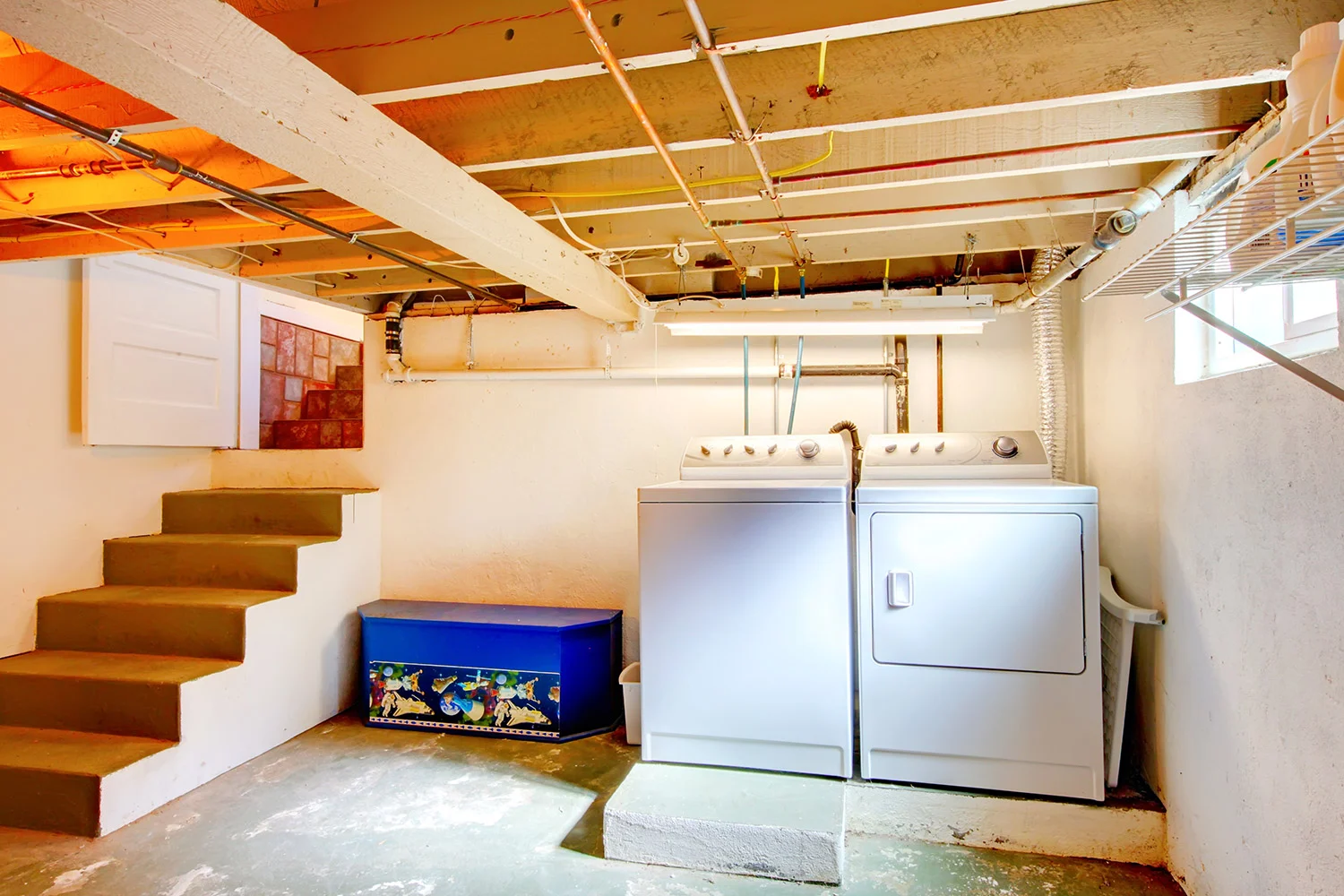

A reality check on Boston basements. Learn what “dry enough” actually means, how to spot water and mold risk on a showing, and when a basement problem becomes a budget problem.

Red Tree Real Estate has launched a new website designed to make it easier to search Boston homes and apartments, explore neighborhoods, and access practical local resources for renters, buyers, sellers, and investors.

Understand Logan flight paths and neighborhood noise before you buy. Learn why routes shift, what “DNL 65” really means, how to check real flight tracks, and what to ask about soundproofing.
See what your home is worth
Enter your home address to receive a free market analysis and
home valuation from us.
Need help? Call our office at 617.944.5311