




The Seaport sells a clean, modern Boston life. New towers. Big windows. Harbor views. Elevators that work. Gyms you’ll swear you’ll use. A neighborhood where you can walk to dinner without stepping over a cracked sidewalk from 1893.
It’s also one of the few places in Boston where “new” is the default, not the exception. That matters if you’re done with steam radiators, mystery leaks, and condo associations that run on vibes and group texts.
The Seaport reality
You’re buying into a neighborhood that still behaves like a big project. It keeps changing. Construction moves around. Retail rotates. Streets feel different depending on which block just got fenced off.
That’s not a dealbreaker. It’s just the cost of living in Boston’s newest high-density waterfront district.
You also share the neighborhood with a lot of non-residents: office workers, convention traffic, tourists, and people coming in for events. The Seaport can feel like a real neighborhood on a quiet weeknight, then feel like an airport food court on a sunny Saturday.
The money surprise people don’t budget for
Most Seaport buyers obsess over purchase price and rate. Then the condo fee shows up and steals the spotlight.
Here’s why Seaport fees run high: staff, amenities, complex building systems, and higher operating costs for modern towers. Those common expenses get assessed to owners under Massachusetts condo law, and the association also has to plan for reserves and long-term replacement costs.
Then layer in waterfront realities. Insurance costs and risk planning can push budgets up over time. Even if your unit feels “turnkey,” the building still has major systems with major replacement schedules.
If you want the blunt version: Seaport ownership often trades surprise repairs inside the unit for predictable (but higher) monthly common costs outside the unit.
Water is not a side issue here
The Seaport sits on the front line of coastal flooding risk. Boston has been treating this as a core infrastructure problem, not a distant climate debate.
The City’s Climate Ready Boston work includes coastal resilience planning for the full coastline, including South Boston, and it’s tied to real projects and timelines.
Boston also adopted the Coastal Flood Resilience Overlay District (Article 25A) to shape how buildings in flood-prone areas prepare for sea level rise and storm surge.
Fort Point Channel is a known flood pathway into the city, and the City has a specific resilience infrastructure project focused on reducing that risk.
Local updates around Fort Point also describe interim work in 2025–2026 and longer-term designs tied to the Army Corps timeline that stretches into later years.
Your takeaway as a buyer is simple: ask what your building did, what it plans to do, and what it assumes about future flood conditions. “We’re new” is not an answer.

Transit is convenient, but it’s not the subway
The Seaport is transit-accessible, but it’s not a classic subway neighborhood. The Silver Line is the backbone, and it’s a bus rapid transit-style service that connects through South Station and branches through Seaport stops like Courthouse and World Trade Center.
If you travel a lot, the Seaport has a real perk: Massport explicitly calls out the Silver Line SL1 as a public transit option to Logan.
But for daily commuting, most people still live with a transfer logic. You’re often walking to the Silver Line, riding to South Station, then switching. That’s fine when service is smooth. It’s annoying when it’s not.
There’s also ongoing work to improve access, including a project to create a new accessible Silver Line entrance in the heart of the neighborhood.
The crowd and noise factor is real
The Seaport runs on events. That energy is fun until you want a quiet night, can’t get a rideshare, and wonder why the sidewalks feel like a parade route.
Hotels and tourism infrastructure keep expanding in and around the district, which supports the ecosystem but also reinforces the “destination” vibe. For example, Boston.com reported a proposed 15-story hotel near the convention center area.
This is why block selection matters more here than people expect. One street can feel calm. Two streets over can feel like a loading dock with great cocktails nearby.
“New construction” doesn’t mean “simple ownership”
New buildings bring fewer old-house problems. They also bring new-building complexity.
High-rises run on elevators, pumps, ventilation systems, smoke control, garage equipment, security systems, and staffed operations. Those systems are great when they work. They are expensive when they age.
Your job is not to fear that. Your job is to understand the budget and reserves that support it. In Massachusetts, the condo’s annual budget and reserve planning exist for a reason. If reserves don’t match the building’s future replacement needs, you don’t have “low fees.” You have “future assessments.”
The Seaport demand engine is strong, but it’s not one thing
Seaport demand isn’t only “luxury buyers.” It’s also jobs, companies, and a constant churn of people who want walkable convenience and a modern building.
Big corporate moves reinforce that ecosystem. The Wall Street Journal reported Hasbro’s plan to relocate its headquarters operations to an office at 400 Summer Street in the Seaport.
That kind of anchor matters because it supports weekday foot traffic, retail, and rental demand. It doesn’t guarantee anything about your specific unit, but it helps explain why the Seaport stays on the short list for a lot of buyers and renters.
Who the Seaport is actually perfect for
The Seaport fits you if you want modern systems, easy amenities, and a walkable routine that feels clean and friction-free most days. It’s a strong choice if you travel often, work nearby, or value building services more than extra square footage.
It’s a weaker fit if you want quiet streets, low monthly carrying costs, or a neighborhood that feels settled and “Boston old-school.” If you need that, the Seaport can feel like you moved into a well-run hotel lobby and forgot to check out.
How to tour Seaport units like an expert
Treat every Seaport tour like two purchases: the unit and the building.
Ask how the building handles flood risk at the ground level, especially garages, loading areas, and mechanical spaces. Ask what the insurance deductibles look like and how claims affect owners. Ask what reserves look like relative to major systems. Ask what the building has replaced already, even if it’s new. “New” buildings still have five-year problems.
Then step outside and run the daily loop. Walk to transit. Walk to groceries. Walk it at night. If you love the unit but hate the loop, you will resent it by February.
Conclusion
Final take
The Seaport can be an incredible place to live. It’s also not a cheat code. You’re paying for modern convenience, building services, and a waterfront lifestyle in a district that’s still evolving. You’re also buying into higher fixed monthly costs and a long-term flood resilience story that you should take seriously, because the City clearly does. If you want the Seaport, buy it with your eyes open and your condo-doc brain turned on. That’s the difference between “best move I made” and “why is my condo fee basically a second car payment?”

Additional Articles & Posts
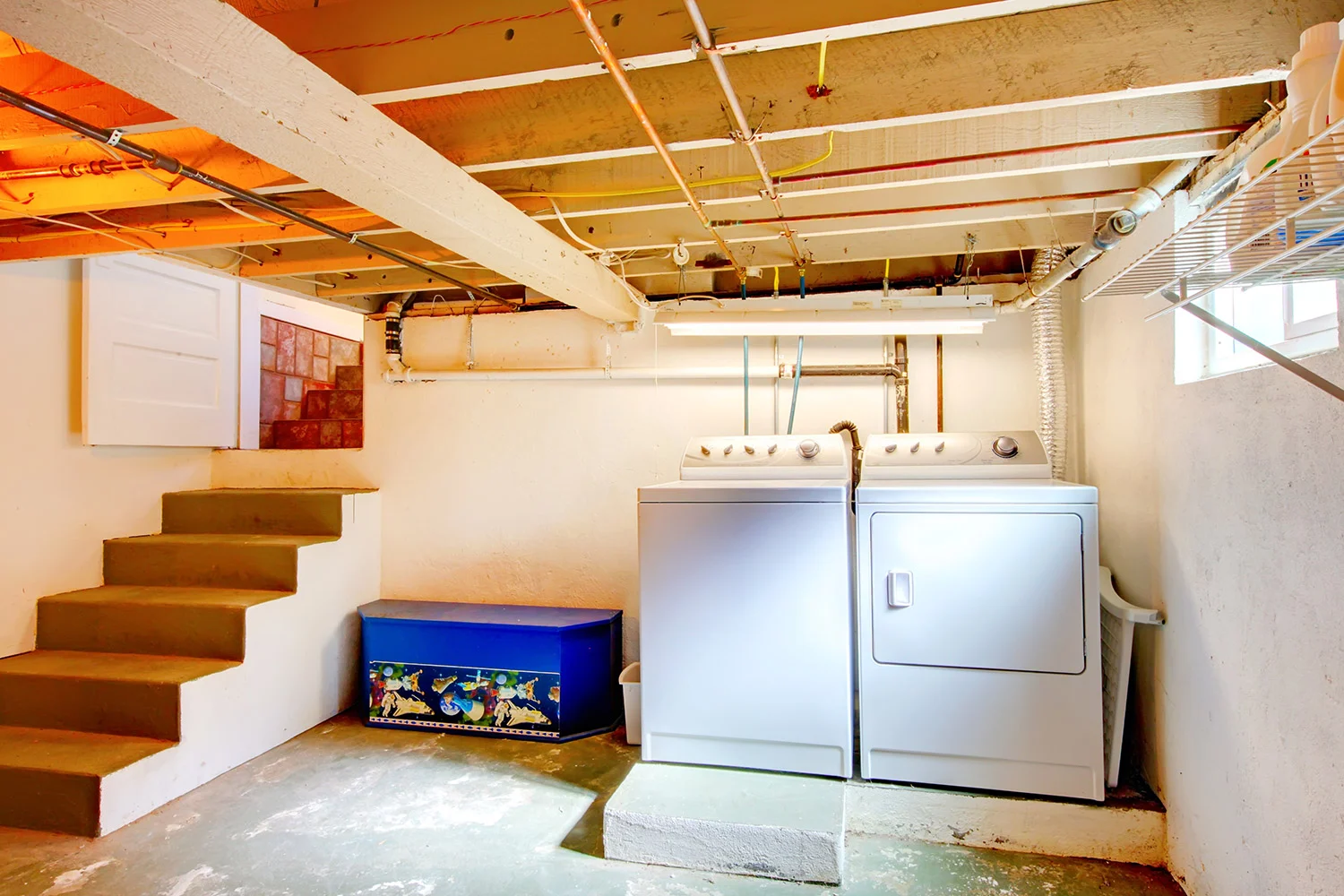

A reality check on Boston basements. Learn what “dry enough” actually means, how to spot water and mold risk on a showing, and when a basement problem becomes a budget problem.

Red Tree Real Estate has launched a new website designed to make it easier to search Boston homes and apartments, explore neighborhoods, and access practical local resources for renters, buyers, sellers, and investors.

Understand Logan flight paths and neighborhood noise before you buy. Learn why routes shift, what “DNL 65” really means, how to check real flight tracks, and what to ask about soundproofing.
See what your home is worth
Enter your home address to receive a free market analysis and
home valuation from us.
Need help? Call our office at 617.944.5311