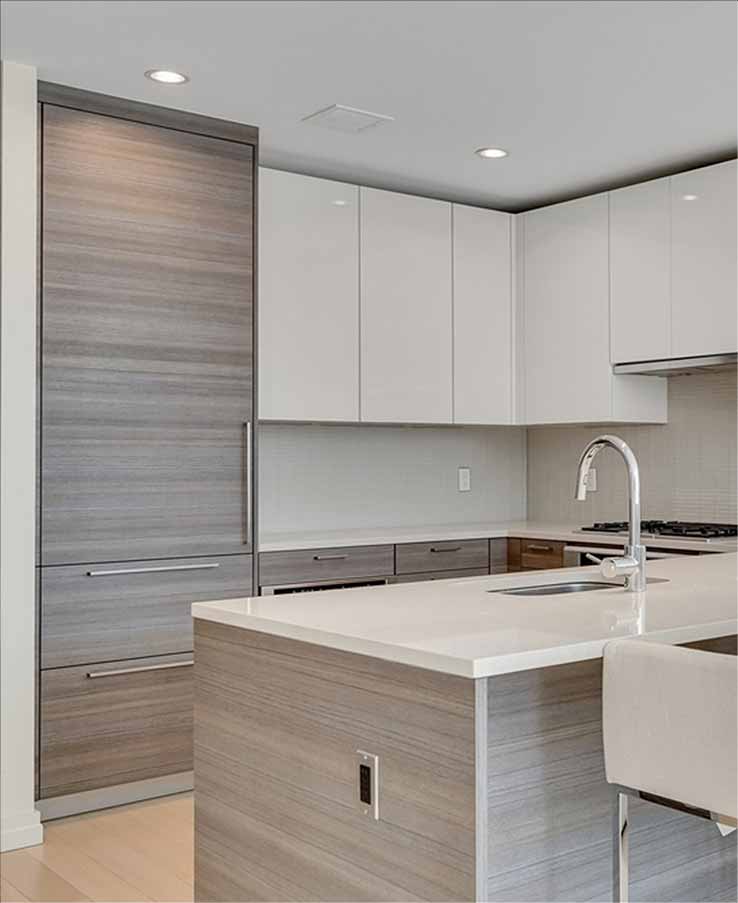




Boston has long been known as one of the most expensive rental markets in the country, and the real cost of renting in Boston in 2026 continues reflecting the city’s intense demand, limited housing supply, and highly competitive market conditions.
For renters relocating to the city, or even longtime residents considering a move, monthly rent is only part of the financial picture. From broker fees and utility costs to parking expenses and neighborhood pricing differences, renting in Boston often involves far more than the advertised monthly payment. At the same time, the city continues attracting students, healthcare professionals, biotech workers, and young professionals drawn by Boston’s career opportunities, walkability, historic charm, and strong neighborhood identities.
Whether you’re preparing for a September 1st move, exploring new neighborhoods, or trying to better understand today’s rental landscape, this guide breaks down what renters should realistically expect when budgeting for Boston housing in 2026.
👉 Understanding the full cost of renting in Boston requires looking beyond rent alone and evaluating the complete monthly lifestyle picture.
Why Boston Rent Prices Remain So High
Boston’s rental market continues to be shaped by one of the simplest economic realities: demand still significantly outweighs supply. The city remains home to dozens of colleges and universities, major hospitals, global biotech firms, and rapidly growing technology and finance sectors. Every year, thousands of students, relocating professionals, and new residents enter the market competing for a relatively limited number of apartments.
Unlike many other major cities, Boston also faces geographic and zoning constraints that limit large-scale housing expansion. Historic neighborhoods, older building stock, and limited available land all contribute to tighter inventory levels and higher pricing pressure across both rental and ownership markets.
Even as national housing conversations shift around inflation and interest rates, Boston’s rental demand has remained relatively resilient due to the city’s stable employment base and strong educational infrastructure.
👉 Boston’s rental market remains expensive largely because new housing supply continues struggling to keep pace with long-term demand.
Average Rent Prices Across Boston Neighborhoods
One of the biggest misconceptions about Boston rentals is treating the city as a single pricing category. In reality, rental prices vary dramatically depending on neighborhood, transit access, amenities, building age, and proximity to downtown employment centers.
Neighborhoods like Back Bay, Beacon Hill, Seaport, and the South End continue commanding some of the city’s highest rents due to their walkability, historic architecture, luxury inventory, and immediate downtown access.
Back Bay & South End Average Rent Prices
- Studio: approximately $2,750
- One-bedroom: approximately $3,500
- Two-bedroom: approximately $5,000
- Three-bedroom: approximately $7,000
Seaport remains Boston’s most expensive district overall, driven by luxury high-rise development, waterfront amenities, and proximity to downtown offices.
Seaport Average Rent Prices
- Studio: approximately $3,800
- One-bedroom: approximately $4,000
- Two-bedroom: approximately $7,000
Meanwhile, neighborhoods like Fenway-Kenmore continue attracting students and young professionals due to their proximity to Northeastern, Boston University, Simmons, and Emmanuel College.
Fenway Average Rent Prices
- Studio: approximately $2,500
- One-bedroom: approximately $3,100
- Two-bedroom: approximately $4,000
- Three-bedroom: approximately $4,700
South Boston, often referred to as Southie, remains one of the city’s most competitive rental markets for young professionals.
South Boston Average Rent Prices
- One-bedroom: approximately $3,000
- Two-bedroom: approximately $4,200
- Three-bedroom: approximately $5,400
Allston and Brighton continue offering slightly more accessible price points while maintaining strong transit access and university proximity.
Allston & Brighton Average Rent Prices
- Studio: approximately $2,400
- One-bedroom: approximately $2,800
- Two-bedroom: approximately $3,200
- Three-bedroom: approximately $3,600
Renters beginning their search should also review our Boston neighborhood guides and How Early You Should Start Your Boston Apartment Search article to better understand pricing trends and leasing timelines throughout the city.
👉 Boston rental prices can vary by thousands of dollars annually depending on neighborhood and property type.
The Hidden Costs of Renting in Boston
For many renters, the advertised monthly rent only tells part of the story. Additional monthly and upfront expenses can significantly impact overall affordability.
Utilities remain one of the largest variables. In Boston’s older brownstones and multifamily homes, landlords often include heat and water, particularly in steam-heated buildings. However, newer developments and luxury high-rises frequently use separate metering systems where tenants are responsible for electricity, heat, cooling, and internet costs individually.
Transportation and parking costs also add up quickly. While Boston’s MBTA system helps many residents avoid owning a car entirely, monthly parking spots in denser neighborhoods can range from roughly $150 to $300 per month depending on location and demand.
Pet owners may also face additional monthly fees, deposits, or breed restrictions depending on the property management company or landlord.
And of course, moving itself carries expenses many renters underestimate:
- Moving truck costs
- Security deposits
- Furniture purchases
- Application fees
- Temporary storage
- Cleaning expenses
These secondary costs can add thousands of dollars beyond rent alone during a move.
👉 The true cost of renting in Boston often becomes much higher once utilities, parking, broker fees, and moving expenses are included.
Understanding Broker Fees in Boston
Boston has historically been known for broker fees, which are often equivalent to one month’s rent and included alongside other upfront costs when signing a lease.
However, recent changes to Massachusetts broker fee laws are beginning reshaping how these fees are handled throughout the market. Depending on representation agreements and who hires the broker, fee responsibility may vary more than it has historically.
For renters entering the market in 2026, understanding broker fee structures has become increasingly important, especially during highly competitive leasing cycles around September 1st.
Renters should also remember that while broker fees can feel frustrating upfront, working with an experienced local agent often provides access to inventory, neighborhood insight, timing strategies, and application guidance that can significantly improve outcomes in Boston’s fast-moving rental market.
👉 Broker fees remain one of Boston’s most unique rental costs, but recent legislation is beginning changing how they operate. Learn more about the new Broker Fee Law.

Why Some Neighborhoods Cost More Than Others
Boston neighborhoods do not simply differ by distance from downtown. Pricing is heavily influenced by transit access, walkability, architecture, nightlife, school proximity, and neighborhood identity.
Areas like Back Bay and Beacon Hill command premium pricing largely because they offer:
- Historic architecture
- Walkability
- Downtown accessibility
- Luxury inventory
- Strong long-term desirability
Meanwhile, neighborhoods farther from downtown often provide larger living spaces or slightly lower pricing while still offering MBTA accessibility into the city core.
For many renters, finding the “best” neighborhood becomes less about chasing the absolute cheapest rent and more about balancing:
- commute time
- lifestyle preferences
- apartment quality
- access to amenities
- long-term goals
👉 In Boston, neighborhood lifestyle and transit access often influence pricing as much as square footage itself.
Renting in Boston vs Other Major Cities
Although Boston consistently ranks among America’s more expensive rental markets, it differs from cities like New York, Los Angeles, or San Francisco in several important ways.
Boston’s housing market tends to be:
- more neighborhood-driven
- heavily influenced by academic cycles
- constrained by older infrastructure
- less vertically developed than many peer cities
This creates a unique mix of historic housing stock, smaller apartment inventory, and highly localized pricing patterns. Renters may notice dramatic differences between neighborhoods located only a few miles apart.
Boston also tends to attract renters planning longer-term professional or academic stays, which contributes to relatively stable year-round demand compared to some markets that fluctuate more seasonally.
👉 Boston’s rental market behaves differently than most major U.S. cities because of its universities, historic housing stock, and neighborhood structure.
How Renters Can Budget More Strategically
In a market as competitive as Boston, preparation can dramatically improve the rental process. One of the best strategies renters can use is building a realistic all-in monthly budget before beginning the apartment search itself.
That budget should account for:
- rent
- utilities
- internet
- transportation
- parking
- pet fees
- moving costs
- upfront deposits
Renters should also prepare application materials early, especially for September 1st leasing cycles where apartments often move within days—or hours—of being listed.
Flexibility can also create opportunities. Exploring neighborhoods slightly outside the downtown core often reveals stronger value while still maintaining MBTA access and neighborhood amenities.
For renters unsure where to begin, connecting with a local real estate professional early can help narrow the search and uncover options aligned with both budget and lifestyle goals.
👉 In Boston’s rental market, preparation and flexibility often matter just as much as budget itself.
Is Renting in Boston Still Worth It?
Despite the costs, Boston continues attracting renters from across the country, and internationally, for good reason. The city offers a unique combination of walkability, historic architecture, career opportunity, public transportation, higher education, healthcare access, and neighborhood character that remains difficult to replicate elsewhere.
Boston also provides access to world-class restaurants, waterfront areas, parks, museums, and quick escapes to beaches, mountains, and New England destinations outside the city.
For many residents, the value of living in Boston extends beyond simple financial calculations. The key is understanding the market realistically and entering the search process with clear expectations and preparation.
👉 Boston’s rental costs are high because demand for living here remains consistently strong across nearly every major industry.
Conclusion
The real cost of renting in Boston in 2026 goes far beyond the advertised monthly rent. Between utilities, parking, broker fees, moving costs, and neighborhood pricing differences, renters need a full understanding of the market before making decisions.
At the same time, Boston continues offering opportunities, lifestyle advantages, and career access that keep demand remarkably strong year after year. Whether you are relocating to the city for work, school, or a new chapter entirely, preparation remains one of the biggest advantages renters can have in today’s market.
If you’re preparing to move this year, exploring neighborhoods early and understanding the full financial picture can help you make significantly more confident decisions throughout the rental process.

Additional Articles & Posts
The 2026 Boston First-Time Homebuyer Guide: Programs, Down Payments & What You Actually Need to Save

Boston first-time homebuyer guide for 2026: learn down payment options, assistance programs, closing costs, and how much cash you need to buy.

Buying a home in Greater Boston? Learn how to buy the right neighborhood by evaluating commute, lifestyle, amenities, and long-term value before making an offer.

Preparing to sell your home in Boston? Learn the expert tips that can help your home stand out, attract more buyers, and maximize your sale price in today's competitive market.
See what your home is worth
Enter your home address to receive a free market analysis and
home valuation from us.
Need help? Call our office at 617.944.5311