



These three neighborhoods sit close on a map and far apart in real life. Back Bay is polished and central. It is wide streets, big blocks, shopping, hotels, and a lot of “yes, this is Boston” scenery. It is also one of the easiest places to live without a car because you can walk to almost everything.
The South End is brownstones and tree lined squares with a strong restaurant scene. It feels residential even when it is busy. It has more patios, more dogs, and more people who actually talk to their neighbors.
Beacon Hill is historic and tight. It is quiet, steep, charming, and sometimes mildly annoying on purpose. It rewards walkers who like small streets, old brick, and a neighborhood that feels like a hidden room next to downtown.
If you choose wrong, you will still love Boston. You will just complain more. Let’s reduce that.
Back Bay
Back Bay is the “center of gravity” choice. It gives you access. The street grid is clean. The blocks are wide. You can run errands on foot without feeling like you are dodging traffic and strollers in a narrow hallway.
Housing in Back Bay ranges from classic brownstones to larger condo buildings and some newer projects near the edges. Many homes have strong ceiling height and big windows. Many also come with quirks, like long layouts, internal bedrooms, and older systems that have been updated in layers over decades.
Back Bay tends to fit people who want a clean, central routine. You can walk to work, dinner, the river, and shopping. You can also live in a building with amenities if you want that ease. The trade is that you will pay for the location and the polish. You also share the neighborhood with a lot of visitors, especially on shopping streets.
Back Bay feels best when your daily loop includes walking and the T. It feels less fun when your daily loop includes finding street parking and circling like a shark.
South End
The South End is a neighborhood you live in, not just pass through. It has a rhythm that feels human. Tree lawns, small parks, and streets that pull you outside. It also has one of the most consistent restaurant scenes in the city, which helps you build a weeknight life without planning like it is a wedding.
Housing here skews toward brownstones, smaller condo associations, and some mid size buildings. Units often have great light, but you need to confirm it. Some homes face narrow alleys or interior courtyards. Some sit on blocks where nightlife adds noise. The South End can be calm on one street and loud two blocks over.
The South End tends to fit people who want “city plus neighborhood.” You can still get to downtown fast, but you also get a sense of local life. It is a strong fit for dog owners and people who like a short walk to a park or a patio. It is also a strong fit for buyers who prefer character and do not need a doorman.
The trade is that parking can be a grind, and condo fees in small buildings can feel unpredictable if reserves are weak. You need to read condo docs with care. In small associations, one roof replacement can become your new hobby.
Beacon Hill
Beacon Hill is the most distinct of the three. It is small streets, old brick, gas lamps, and stairs that make you question your grocery choices. It can feel like a private neighborhood even though it sits next to downtown. It is also one of the best places in Boston for people who want quiet at night without leaving the core.
Housing in Beacon Hill often means older rowhouses and condo units carved out of historic buildings. Layouts can be odd. Floors can slope. Storage can be scarce. In exchange, you get charm you cannot fake and a sense of place that feels permanent.
Beacon Hill fits walkers. It fits people who want to pop out for coffee, stroll to the Common, and get home without dealing with busy main streets. It also fits buyers who value quiet over space. Many Beacon Hill homes give you less square footage for the money than Back Bay or the South End.
The trade is friction. Stairs, narrow streets, limited parking, and older building constraints. If you need easy elevator living or you hate carrying things upstairs, Beacon Hill will test you.
What your money buys in each neighborhood
You will usually see three patterns.
In Back Bay, your money buys centrality and a clean urban experience. You often get better access to transit, shopping, and office clusters. You may give up outdoor space, and you may pay higher condo fees in amenity buildings.
In the South End, your money buys lifestyle. You often get a more residential feel, access to restaurants, and a street life that feels local. You may get slightly more space than Beacon Hill for the same budget, but you need to be careful about building maintenance and reserves.
In Beacon Hill, your money buys character and quiet. You trade space and convenience for a neighborhood that feels like a protected pocket. If you want “old Boston” as a daily experience, Beacon Hill is the purest version of that.
If you want the most predictable cost structure, Back Bay condo buildings with strong management often win. If you want the most flexible lifestyle, the South End often wins. If you want the most distinct vibe, Beacon Hill wins, and it wins by a lot.

Parking and car reality
If you have a car, this decision changes.
Back Bay has heavy demand and strict rules. Some buildings offer garage parking, but it costs. Street parking can work with a permit and a routine, but you will still feel the pressure.
The South End also has tight street parking, but it can feel more manageable depending on your block and schedule. Some areas near busier corridors get hit harder.
Beacon Hill is the toughest if you drive daily. Streets are narrow. Spots are limited. Snow makes everything worse. If you keep a car there, you need patience and a backup plan.
If you want to keep a car without pain, prioritize off street parking or a building with a garage. If that is not possible, be honest about your driving frequency. If you drive once a week, you can tolerate more friction. If you drive every day, friction will become a lifestyle tax.
Commute and daily loop
Back Bay offers the most straightforward access to many job hubs. It also lets you walk to a lot of them. If you work downtown, in the Seaport, or around the Back Bay core, you can run a simple commute plan.
The South End can also work well, especially if you are near the edges that connect to major routes. It rewards people who bike or who prefer short walks to stations.
Beacon Hill wins for downtown access on foot. If you work near Government Center, Downtown Crossing, MGH, or the State House area, you can keep life very simple. If you need to reach other hubs daily, you may need a short walk to stations and a tolerance for the Hill’s terrain.
The daily loop matters more than commute alone. Ask where you grocery shop, where you work out, where you meet friends, and where you take your dog at night. Back Bay supports errand density. The South End supports strolling and dining. Beacon Hill supports quiet and quick walks to the Common.
Noise, crowds, and the feel at night
Back Bay can be busy because it is a destination. You get tourists, shopping traffic, and hotel energy. Some blocks are calm. Some stay lively late.
The South End has nightlife, but it is more distributed. Many blocks feel quiet after dinner. Some restaurant corridors stay active.
Beacon Hill is the quietest at night, especially on interior streets. It can feel almost suburban by Boston standards once the workday ends.
If you want quiet sleep, Beacon Hill is the safest bet. If you want energy, Back Bay gives it. If you want a balance, the South End can land in the middle, but you must pick your block carefully.
Food and weekends
Back Bay gives you access to everything, but it can feel more “out” than “local” on the busiest streets. You will still find great spots, but the vibe often includes visitors.
The South End is the most consistent neighborhood food scene of the three. You can build a habit here. Weeknight dinner, weekend brunch, a casual drink, all within a short walk. It is a lifestyle advantage.
Beacon Hill has great pockets, but it is smaller. Many residents walk a few blocks to the West End, Downtown, or Back Bay edges to widen options. That is not a problem if you like walking. If you want everything right outside your door, the South End has the edge.
Families and long term living
Families can thrive in all three, but the shape of the experience changes.
Back Bay offers convenience and access. It also offers more elevator buildings, which matters with strollers. The trade is space and cost.
The South End offers parks, a neighborhood feel, and room to live a more relaxed routine. It can be a strong fit for young families who want to stay central without feeling like they live in a shopping district.
Beacon Hill offers quiet and a strong sense of community, but strollers and stairs can be a real thing. If you plan to stay long term, think about the physical friction of daily life, not just the romance.
Buying pitfalls people regret later
In Back Bay, buyers often underestimate condo fees and building rules, especially in amenity buildings. They also underestimate how much tourist traffic can affect daily calm on certain streets.
In the South End, buyers often fall for a renovated unit and skip the building’s financial health. Small associations can be wonderful, but weak reserves can turn into special assessments fast.
In Beacon Hill, buyers often underestimate stairs, storage, and layout quirks. A gorgeous living room does not help when you have nowhere to put a vacuum and you carry groceries up three flights in winter.
Across all three, the biggest regret is not block selection. A good block can carry a mediocre unit. A bad block can make a great unit feel wrong.
How to choose in one weekend
Tour one place in each neighborhood, back to back, at the same budget. Then do something most people skip. Walk the neighborhood at night.
Walk from the unit to a grocery option. Walk to a park. Walk to the nearest transit stop. Count how many busy crossings you hit. Note how safe and calm you feel. Listen to noise. Smell the street. Notice whether the area feels like home or like a place you visit.
Then picture a Tuesday in February. Where do you park. Where do you walk the dog at 10 p.m. How far do you carry groceries. How fast do you get to work when it is cold and wet. Your answer will be clearer than any sales pitch.
Conclusion
Final take
Back Bay is the clean, central, polished choice. It fits buyers who want access, walkability, and a classic Boston address with a little buzz. The South End is the lifestyle choice. It fits buyers who want neighborhood energy, great food, parks, and a day to day routine that feels local. Beacon Hill is the character and quiet choice. It fits buyers who value charm, calm nights, and a walkable core, and who can live with stairs and older building quirks. Pick the one that matches your daily loop, not the one that looks best in photos. Boston will reward you either way, but it rewards the right fit a lot more.

Additional Articles & Posts
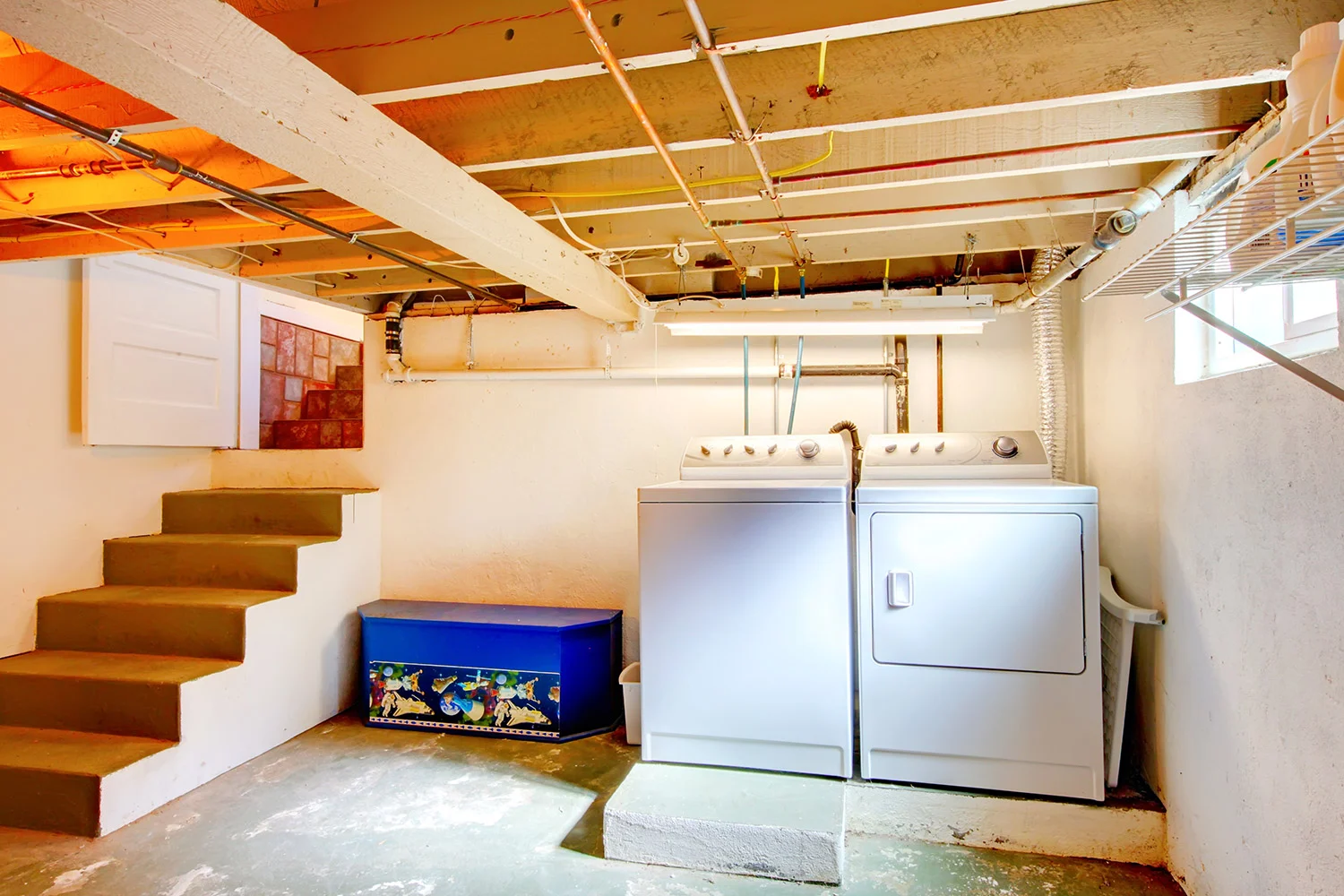

A reality check on Boston basements. Learn what “dry enough” actually means, how to spot water and mold risk on a showing, and when a basement problem becomes a budget problem.

Red Tree Real Estate has launched a new website designed to make it easier to search Boston homes and apartments, explore neighborhoods, and access practical local resources for renters, buyers, sellers, and investors.

Understand Logan flight paths and neighborhood noise before you buy. Learn why routes shift, what “DNL 65” really means, how to check real flight tracks, and what to ask about soundproofing.
See what your home is worth
Enter your home address to receive a free market analysis and
home valuation from us.
Need help? Call our office at 617.944.5311