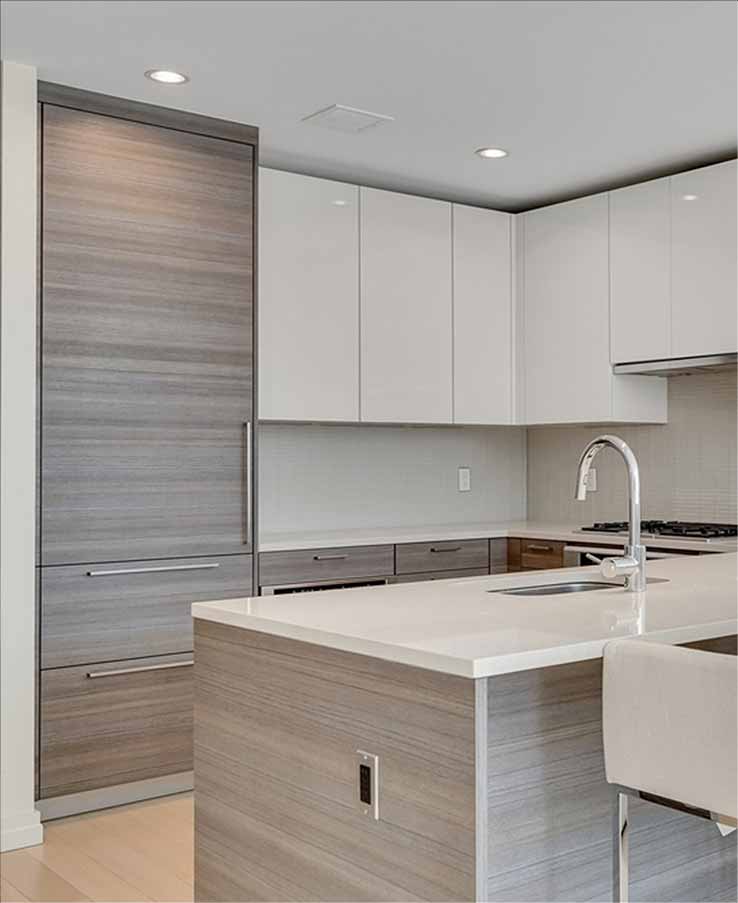




Buying your first place in Boston feels simple until it isn’t. Listings look clean. Numbers look tidy. Then you hit the real stuff: condo fees, old basements, weird parking rules, offers that move fast, and paperwork that reads like it was written by a committee of lawyers who hate sunlight.
You can still do this without chaos. You just need a plan that matches how Boston deals real estate.
Massachusetts runs a two step contract process in many deals. You make an Offer to Purchase, then you sign a Purchase and Sale agreement prepared and negotiated by attorneys. That alone trips up buyers who learned the process in another state. Add Boston’s building stock and the pace of good listings, and you need steps you can follow when you feel pressure.
Step 1: Pick a monthly payment, not a purchase price
A purchase price is a headline. Your monthly payment is your life.
Set a number that still lets you save money and handle repairs. Include mortgage, property taxes, insurance, and utilities. If you buy a condo, include the HOA fee. If you need parking, include that too. Boston can turn “I can afford this” into “I hate this” with one surprise bill.
If you want a clean test, run your worst month. Assume a winter gas bill. Assume a special assessment. Assume your car needs tires. If you still feel fine, your number is real.
Step 2: Decide your non negotiables before you tour
Boston tours are emotional. You walk into a sunny room and your brain stops doing math.
Write down what you need in normal life. A door that closes for work calls. A washer and dryer you do not share with strangers. A real commute that stays sane in winter. A building that allows your dog. A parking plan that does not ruin your week.
This step protects you from buying a lifestyle you do not want. It also keeps you from wasting weekends touring homes you will never choose.
Step 3: Learn the three Boston home types that shape everything
You will see the same building types again and again.
Condos buy convenience and shared maintenance, plus fees and rules. Brownstones buy character and control, plus older systems that can cost real money. Triple deckers buy space and flexibility, plus upkeep and, sometimes, landlord style responsibility.
Do not pick a type by vibe. Pick it by what you want to control and what you want to outsource.
Step 4: Get pre approved with a lender who closes in Boston
In Boston, a “pre qual” is a motivational poster. You want a full pre approval.
A real pre approval means the lender reviewed income, assets, and credit. It also means they can produce a clean approval letter fast when you need it. That matters when you want to write an offer the same day you tour.
If you plan to buy a condo, ask the lender how they handle condo approvals. Some buildings slow deals down. A lender who knows the condo process will save you pain.
Step 5: Map your cash, not just your down payment
First time buyers get blindsided by cash. Not because they are careless, but because nobody explained the full stack.
You need down payment funds. You need closing costs. You need an inspection budget. You need moving costs. You need a buffer for repairs, furniture, and life.
Then there is the Massachusetts deposit structure. Many deals use a smaller deposit with the offer, then a larger deposit when you sign the Purchase and Sale agreement. Mass.gov explains the Purchase and Sale step as the contract stage after offer acceptance. Typical deposit amounts vary by deal, but it is common to see something like about $1,000 with the offer and about 5% total deposit by the Purchase and Sale signing.
That deposit can be at risk if you breach the contract. So you do not want to wing this. Your agent and attorney should help you understand when money becomes non refundable and what contingencies protect you.
Step 6: Check first time buyer programs early, not after you fall in love
If you might qualify for help, look now. Programs can require education classes, approved lenders, income caps, and documentation. Those steps take time.
Boston has a First Time Homebuyer Program that provides financial assistance to income eligible buyers, and it requires buyers to work with approved lenders and complete the application process. Boston also promotes the ONE+Boston Homebuyer Program through the Boston Home Center, which offers access to down payment and closing cost assistance and works through participating lenders.
At the state level, the ONE Mortgage Program is a 30 year fixed rate option for low and moderate income first time buyers, with a 3% down payment. MassHousing also offers mortgage options and down payment assistance.
The key point is not “pick a program.” The point is “know your lane.” If you might use a program, align your lender and timeline before you shop seriously.
Step 7: Choose your search circle using commute reality
Boston is small on a map and big at 8:15 a.m. Pick your search area based on the life you live.
If you work in Longwood, your circle should hug routes that hold up. If you work in Kendall, that circle shifts. If you must drive, your circle shifts again. If you want to ditch your car, that circle tightens around transit and walkability.
This is how you avoid buying a “great deal” that costs you two hours a day.
Step 8: Learn pricing by watching sold homes, not active listings
Active listings are marketing. Sold homes are truth.
Spend a week watching what actually closed and how long it took. You will learn which properties attract bidding, which sit, and which get price cuts. You will also learn what condition sells in your budget.
This step makes you calm when you need to move fast. Calm buyers make better decisions.
Step 9: Tour like an owner, not like a guest
On your first tours, your brain looks at countertops. Train it to look at risk.
Watch for basement moisture, even in condos. Look for water stains, dehumidifiers, sump pumps, and musty smells. Ask what heat system the home uses and who pays for it. Ask about insulation and windows. Check storage. Listen for noise. Check cell service in the unit, because Boston loves brick.
If it is a condo, ask for the condo docs early. Do not wait until you are under contract and rushed.

Step 10: Write offers that feel strong and still protect you
You win Boston offers with clarity. Price matters, but terms and certainty matter too.
Your offer should match the seller’s needs. Some sellers want speed. Some want a lease back. Some want fewer contingencies. You can be flexible without being reckless.
Do not waive protections because you feel pressure. If you waive inspection, you must be willing to own hidden problems. If you waive financing, you must have deep certainty from your lender. If you waive appraisal and the value comes in low, you may need extra cash or you may lose your deposit. This is not the place to “hope it works.”
Step 11: Use inspection to build a plan, not to hunt for perfection
Boston homes are older. Even “renovated” homes can hide issues behind new paint.
A good inspection helps you understand the machine you are buying. It gives you a list you can budget for. It tells you what can wait and what cannot. It also gives you a clue about past maintenance. A home with careful repairs usually shows it.
If you buy a condo, inspection still matters. You can inspect the unit, but you should also understand the building. Roof age. Exterior condition. Common mechanical systems. Water management. Those things drive future costs.
Step 12: Read condo docs like your money depends on it
Because it does.
Mass.gov calls the Purchase and Sale agreement a legal document prepared and agreed to by attorneys. In condo deals, the condo docs are the other contract you live under.
Read the budget, reserves, and meeting minutes. Look for deferred maintenance. Look for patterns of special assessments. Check insurance. Check pet rules. Check rental limits. Check renovation rules. A cheap condo fee can mean nothing gets funded. A high fee can mean strong services and strong reserves. You need to know which one you are buying.
Step 13: Lock your financing and keep your file clean
After you go under agreement, your lender will request documents again. Give them fast. Do not change jobs. Do not finance furniture. Do not open new credit lines. Do not move money between accounts without tracking it.
This part feels boring. It is also where deals fall apart for no good reason.
If you qualify for down payment assistance, confirm the structure. MassHousing describes its down payment assistance as a second mortgage, with options that include a deferred payment loan or an amortizing loan at a set rate, depending on eligibility. Know what you are signing and how it affects future refinance or sale.
Step 14: Close clean and move in with a first year plan
Before closing, confirm your final cash to close. Confirm insurance. Confirm utilities. Do the final walk through and test basics. Heat, hot water, appliances, windows, locks.
After you move in, act like an owner on day one. Change locks. Learn shutoffs. Service heating equipment. Replace smoke and CO detectors if needed. Build a reserve fund. If you buy a condo, attend meetings. Boring actions now prevent expensive surprises later.
Boston’s secret advantage for first timers
Here is the forward looking part. Boston rewards owners who play the long game.
If you buy a home you can afford, in a location that fits your daily life, and you keep your monthly cost stable, you give yourself room to grow. Room to change jobs. Room to start a family. Room to ride out a weird year.
Programs can help you get in the door. For example, the ONE Mortgage Program targets first time buyers with a low down payment and fixed rate structure. MassHousing highlights extra protections like MIPlus mortgage insurance that can provide payment help during certain hardships. Those features matter, but your plan matters more.
Conclusion
Final take
Buying your first home in Boston is not about being fearless. It is about being prepared. Set your monthly number. Decide your non negotiables. Get a real pre approval. Map your cash and understand deposits. Learn programs early if you might use them. Shop by commute reality. Watch sold comps. Tour like an owner. Write offers with smart terms. Inspect to plan. Read condo docs like an adult. Keep your financing clean. Close with a first year plan. Follow that, and you stop guessing. You start owning.

Additional Articles & Posts
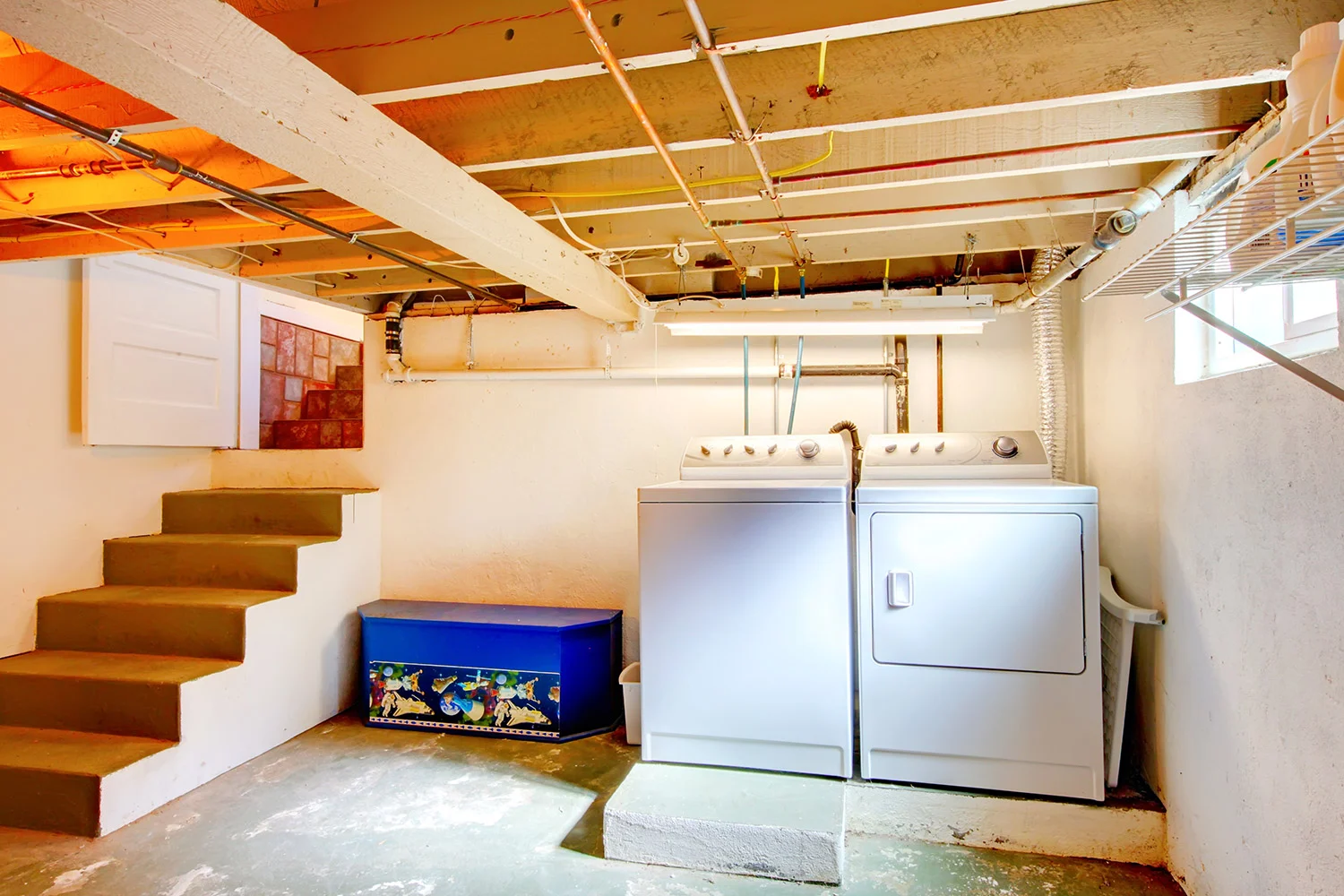

A reality check on Boston basements. Learn what “dry enough” actually means, how to spot water and mold risk on a showing, and when a basement problem becomes a budget problem.

Red Tree Real Estate has launched a new website designed to make it easier to search Boston homes and apartments, explore neighborhoods, and access practical local resources for renters, buyers, sellers, and investors.

Understand Logan flight paths and neighborhood noise before you buy. Learn why routes shift, what “DNL 65” really means, how to check real flight tracks, and what to ask about soundproofing.
See what your home is worth
Enter your home address to receive a free market analysis and
home valuation from us.
Need help? Call our office at 617.944.5311